Facts About Anthony Hopkins: Iconic Moments and Surprises
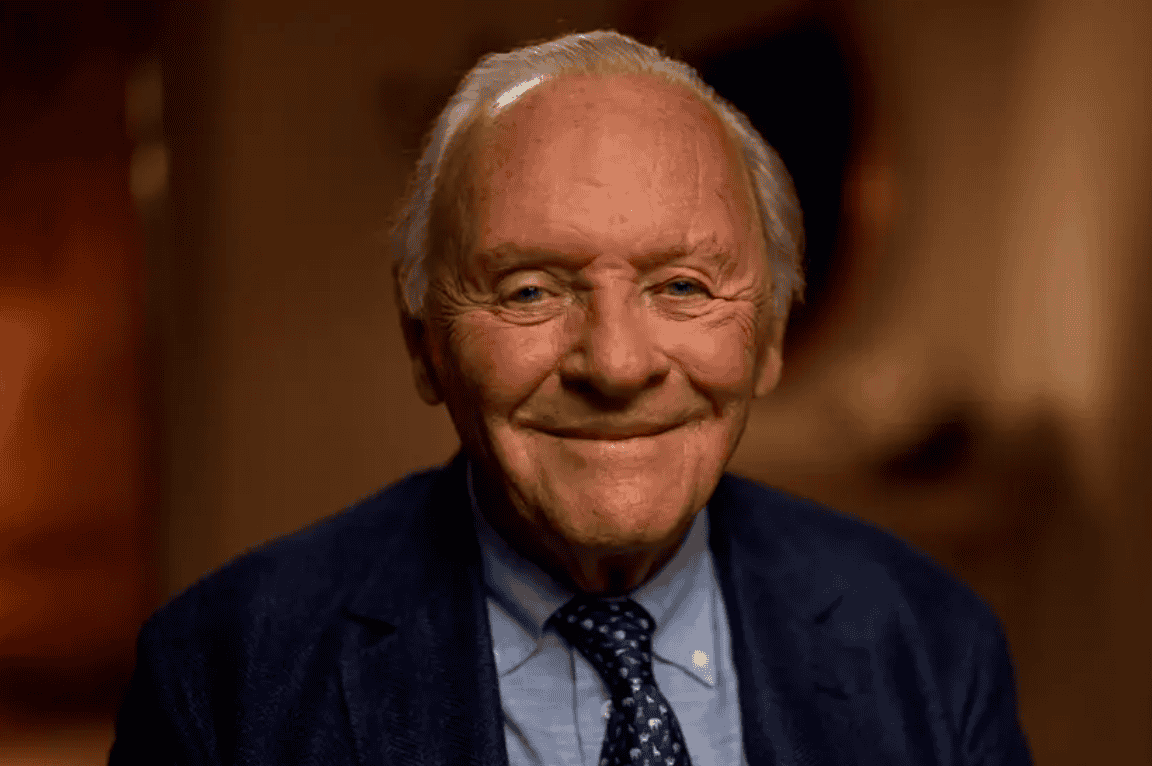
Anthony Hopkins isn’t just a name on a marquee — he’s a cinematic force with a legacy that spans decades. From chilling villains to tender dramatic turns, he’s carved out a career few actors can rival. But what makes him truly captivating goes beyond awards and box office numbers.
Here are the most interesting, surprising, and downright awesome facts about Anthony Hopkins from his early roots to the iconic performances that etched his name in Hollywood history.
1. He Didn’t Start Acting Until His Mid-20s
He didn’t leap straight into stardom in his teens or early twenties. After experimenting with various jobs, he finally turned to acting in his mid-20s, and the world has been richer for it ever since.
2. Hopkins Is a Trained Classical Actor
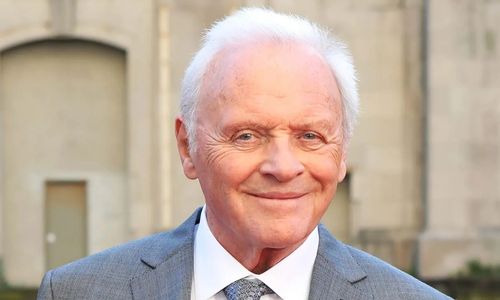
Before Hollywood noticed him, he trained at the prestigious Royal Academy of Dramatic Art (RADA) in London. That classical grounding helped shape his command of voice, presence, and emotional range — skills that show up in every role.
3. His Breakthrough Role Was on the Stage
Before the movies came calling, he was already making waves in the theatre world. His stage work, especially in Shakespearean roles, earned him early critical acclaim and set the foundation for his later screen success.
4. He’s Academy Award-Winning — Twice
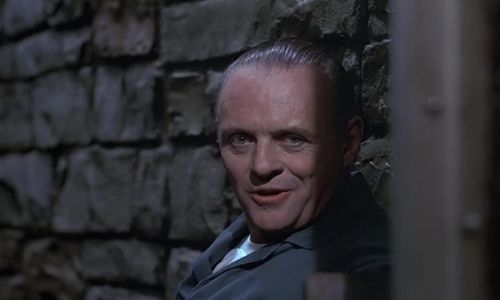
He won his first Oscar for Best Actor for The Silence of the Lambs (1991) as Dr. Hannibal Lecter — a role that became an enduring pop-culture icon. He earned another Oscar later in his career, proving that his talent only deepened with time.
5. Hannibal Lecter Wasn’t Meant to Be Central at First
In The Silence of the Lambs, Lecter had limited screen time — less than 20 minutes. Yet Hopkins’ chilling performance is one of the most quoted, most feared, and most celebrated in cinematic history. That’s the power of precision over quantity.
6. He Actually Prepared Lecter in Extreme Detail
He used classical music cues and psychological research to build Lecter’s eerie calm. The result? A character who frightened audiences while remaining hypnotically charismatic.
7. He Holds a Guinness World Record
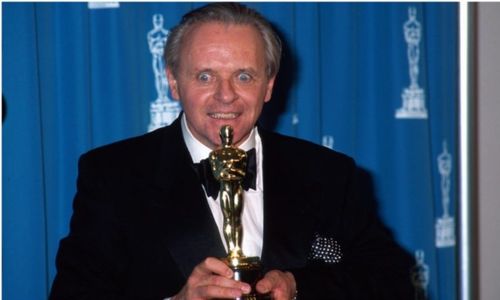
Thanks to that Silence of the Lambs role, he owns a unique Guinness World Record for the fewest screen minutes by a Best Actor Oscar winner. It’s proof that great acting doesn’t need endless screen time — it needs indelible presence.
8. He’s a Screen Legend Beyond Lecter
He has given powerhouse performances in dramas, thrillers, biopics, and even fantasy epics. Roles in films like The Remains of the Day, Legends of the Fall, The Father, and Thor showcase his stunning range.
9. He Finally Won an Oscar Later in Life
He didn’t just win early — he won again with The Father (2020), a heartbreaking portrayal of dementia that earned him widespread praise and solidified his status as an actor of unmatched emotional depth.
10. He’s a Composer Too
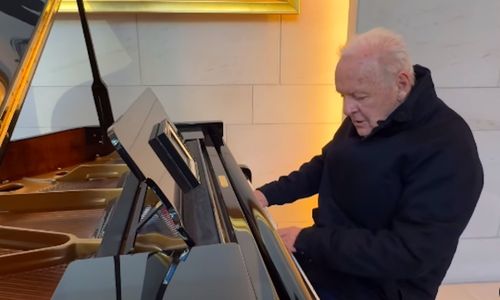
Surprise: Anthony Hopkins doesn’t just act — he makes music. He’s composed several classical pieces and takes his musical side seriously. For him, performance isn’t limited to voice and face — it’s sound and rhythm too.
11. He Once Turned Down Major Roles
In career lore, he has admitted to turning down roles he just didn’t connect with — even if they were career high — because his artistic instinct tells him when something doesn’t fit. That kind of creative integrity is rare.
12. He Almost Didn’t Play Lecter at All
Ridley Scott briefly considered other actors before he claimed the role with quiet intensity. Hard to imagine anyone else now — but it almost wasn’t written that way.
13. He Loves Painting and Landscape Art
He is an avid painter. When not working on films, he often retreats to brush, canvas, and color — a visual contrast to his usually cerebral roles.
14. He’s a Quiet Philosopher Off-Screen
Interviews with Hopkins often reveal a reflective, witty mind. He doesn’t chase tabloid headlines; he explores ideas about existence, memory, and creativity with unexpected depth.
15. He Has a Surprising Social Media Presence
While not a chronic social media addict, he does share moments of insight, humor, and inspiration with fans online — often reminding people that life, art, and joy can coexist even at Hollywood’s highest levels.
16. He Once Collected Teeth (Yes, Really)
This quirky personal tidbit popped up years ago: he has mentioned collecting unique and unusual objects during his travels, including — reportedly — old teeth. Strange, yes. Intriguing? Absolutely. That’s the kind of odd charm that makes his personality as fascinating as his performances.
17. His Accent Isn’t Always What You Think
Though Welsh by birth, Hopkins has slipped effortlessly into a slew of accents — American, British regional, fantasy dialects — showcasing his deep skill with vocal nuance.
18. He’s Worked With Legendary Directors
From Jonathan Demme to Anthony Minghella to Florian Zeller, his career is a roadmap through modern cinema’s most respected storytellers — a testament to the respect he commands behind the camera as much as in front of it.
19. He Believes Aging Is a Privilege
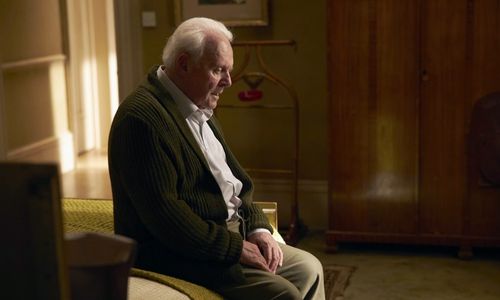
Rather than lament growing older, he has spoken openly about aging as a gift — a concept many fans find refreshing in a culture preoccupied with youth. That perspective shines through in roles like The Father, where vulnerability becomes strength.
20. He Continues to Work — Relentlessly Curious
Even in his 80s, Hopkins continues to take on challenging, diverse roles that expand his range rather than repeat it. His career feels less like a peak and more like an ongoing evolution.
It’s not simply his voice, his awards, or his iconic roles. It’s his relentless curiosity, his fearlessness in exploring the human condition, and the way he brings vulnerability and presence to every part he plays.
That’s the legacy that keeps fans watching, sharing, and loving his work long after the credits roll.