You’re casually talking in your living room.
Maybe complaining about work.
Maybe gossiping about your neighbor.
Maybe singing terribly while making instant noodles at 2 AM.
And then suddenly your Alexa lights up for absolutely no reason.
Terrifying, right?
For years, people have wondered the same unsettling question:
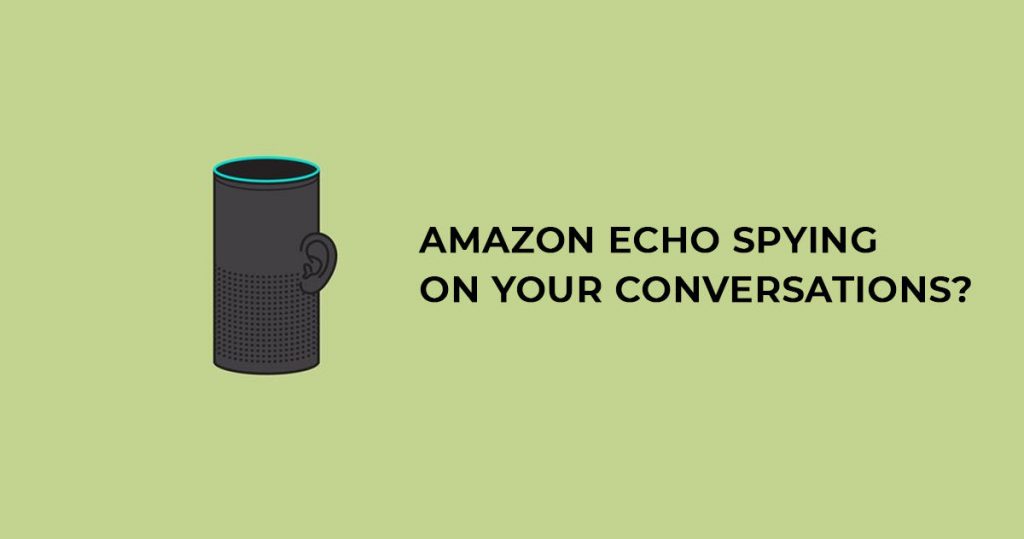
Does Alexa spy on you?
The short answer?
Not exactly like a secret Hollywood surveillance movie. But the reality is still uncomfortable enough to make people unplug their Echo devices entirely.
Why People Started Distrusting Alexa
Back in 2019, reports exploded online claiming that Amazon employees were listening to Alexa voice recordings captured inside users’ homes. The reports revealed that thousands of workers reviewed small portions of recorded conversations to help improve Alexa’s speech recognition system.
That instantly triggered privacy panic.
Because most users assumed Alexa was fully automated.
Not “random humans somewhere listening to audio clips from your kitchen.”
According to reports, some recordings included:
- personal conversations
- arguments
- singing
- accidental recordings
- disturbing audio picked up unintentionally
Amazon later confirmed that human reviewers analyzed a limited number of recordings to improve Alexa’s responses.
And honestly?
That’s when Alexa officially entered its villain era on the internet.
Is Alexa Always Listening?
Technically… yes.
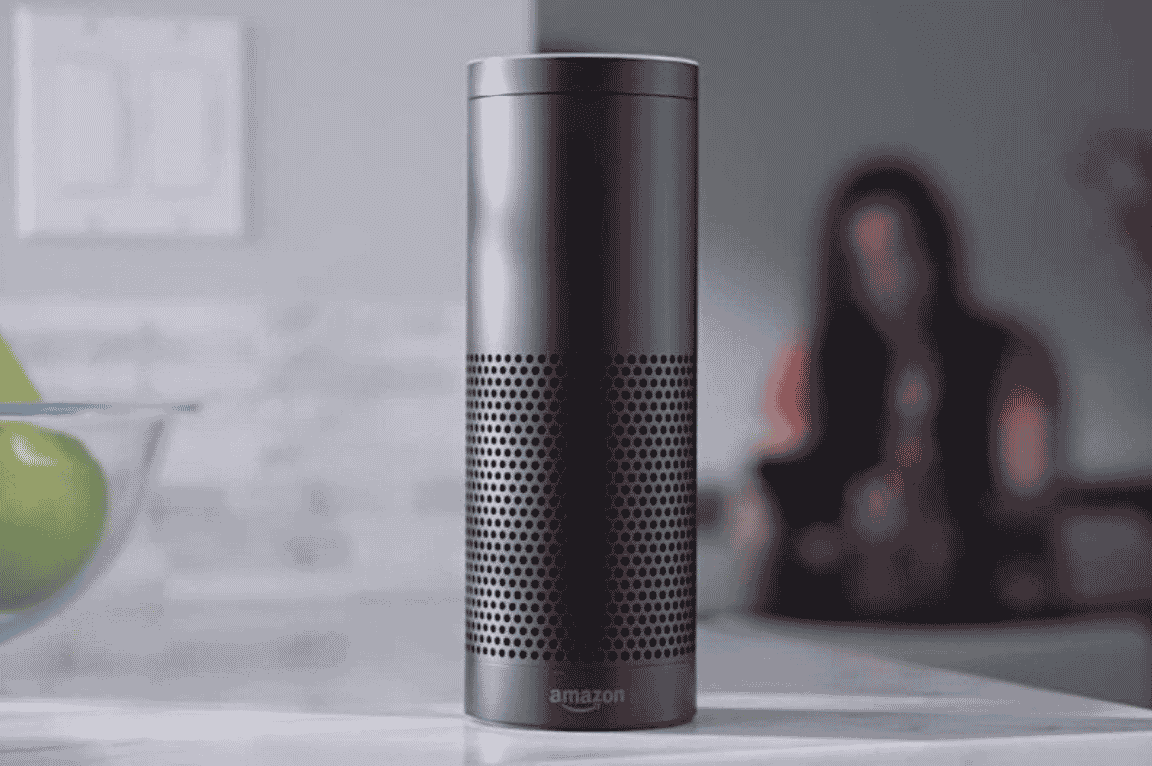
Alexa devices constantly listen for their wake word like:
- “Alexa”
- “Echo”
- “Amazon”
But listening and recording are two different things.
The device is supposed to begin recording only after hearing the wake word. However, privacy experts and users have repeatedly pointed out that Alexa can sometimes activate accidentally after mishearing normal conversation.
Which explains why some people suddenly hear: “Sorry, I didn’t understand that.”
…even though nobody was talking to Alexa in the first place.
Tiny glowing blue ring.
Instant paranoia.
Can Amazon Employees Hear Your Conversations?
This is where things get messy.
Reports from Bloomberg and multiple tech outlets revealed that Amazon reviewers listened to selected Alexa recordings for quality improvement purposes.
Amazon stated that:
- only a small sample was reviewed
- reviewers did not directly see customer identities
- recordings were used to improve speech systems
Still, the backlash was massive because many users felt they were never clearly told that humans might hear snippets of audio from their homes.
And honestly? People don’t love the phrase: “small sample of your private conversations.”
Does Alexa Record Conversations Without Permission?
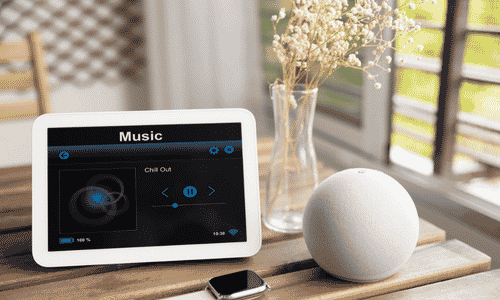
Alexa is not supposed to secretly record every second of your life.
But accidental activations absolutely happen.
Sometimes the device mistakes ordinary words for its wake command and begins recording unintentionally. Those recordings may then be stored in the cloud temporarily unless users manually delete them.
This is why many privacy-conscious users:
- mute Alexa microphones
- delete voice histories
- unplug smart speakers completely during private conversations
Some people even cover the device like it’s a tiny robotic FBI agent sitting beside the TV.
Privacy Concerns Became Bigger in the Past Year
Amazon faced fresh criticism after reports suggested certain Echo privacy settings would be reduced as newer AI-powered Alexa features expanded cloud processing.
That reignited debates about:
- data collection
- cloud storage
- AI training
- voice recording security
Because the smarter AI becomes, the more data companies often need to process.
And users are becoming increasingly uncomfortable with that tradeoff.
What Security Experts Say
Researchers and cybersecurity experts have repeatedly warned that voice assistants can create privacy vulnerabilities through third-party apps, cloud storage, and voice-command systems.
Studies have even explored how malicious Alexa “skills” could potentially misuse permissions or confuse users about what data is being accessed.
Which sounds less like a smart speaker and more like the opening plot of a Netflix tech thriller.
How to Protect Your Privacy on Alexa
If you still use Alexa but want more privacy, here are a few smart precautions:
- Regularly delete voice recordings
- Turn off microphone access when not using it
- Review Alexa privacy settings
- Avoid linking unnecessary third-party skills
- Use mute mode during private discussions
Because let’s be honest: Nobody wants their midnight breakdown accidentally becoming AI training material.
The Gossip Take
So… does Alexa spy on you?
Not exactly in the dramatic “government surveillance van” kind of way.
But Alexa does listen continuously for wake words; accidental recordings can happen, and human reviewers have analyzed selected audio clips in the past.
That combination alone is enough to keep millions of people suspicious.
Convenient? Absolutely. Creepy sometimes? Also absolutely.
And honestly, the moment Alexa randomly lights up during a private conversation, every single person suddenly becomes a conspiracy theorist for at least five seconds.