Benedict Cumberbatch Opens Up About Hollywood’s Sustainability Problem
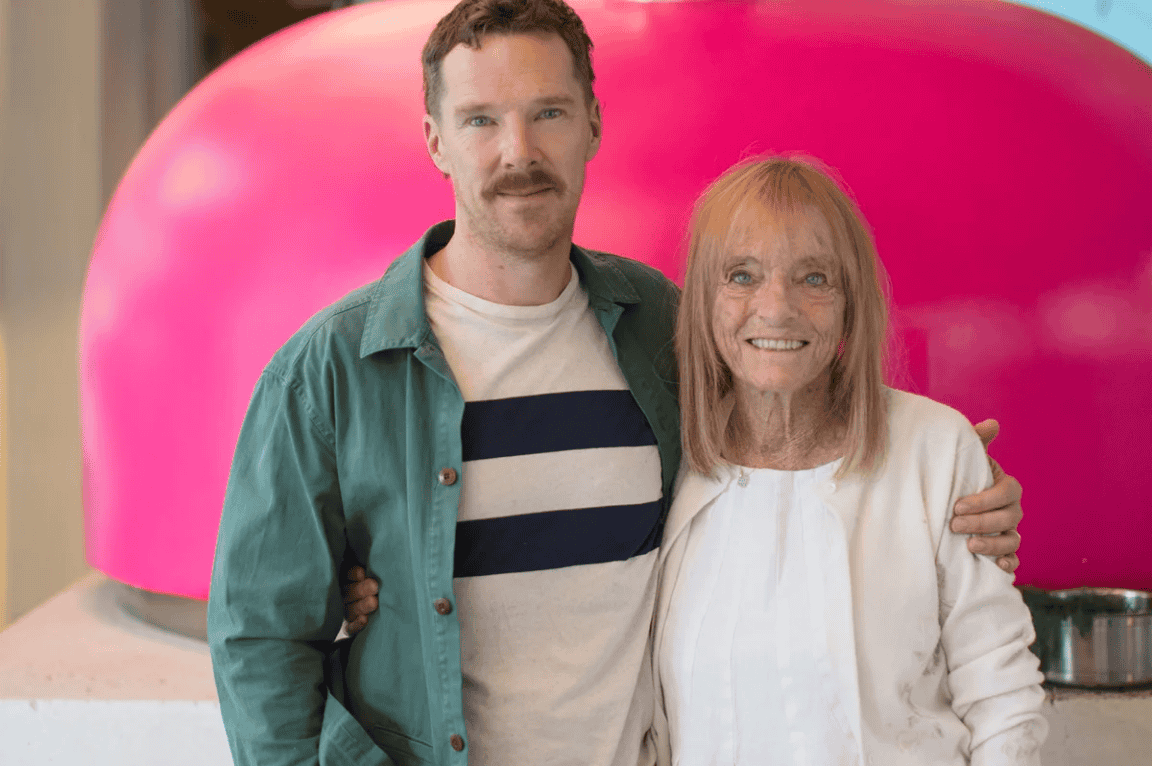
Benedict Cumberbatch isn’t mincing words when it comes to the state of Hollywood. In a revealing chat with Ruth Rogers on the podcast Ruthie’s Table 4, the acclaimed actor called out the film industry’s excesses, branding it a “grossly wasteful” business that urgently needs to rethink how it operates.
The Doctor Strange star took particular aim at the unsustainable habits baked into film production from the mountains of food consumed by actors bulking up for roles to the enormous energy required for lighting and set construction. “It’s horrific eating beyond your appetite,” he said, recalling his five-meals-a-day routine on Marvel shoots, where he also snacked heavily on boiled eggs, almonds, and cheese for added protein.
“It hit me one day—what am I doing?” Cumberbatch admitted. “I could feed a family with the amount I’m eating.” But his criticism didn’t end there.
Hollywood’s Costly Carbon Footprint
Cumberbatch pointed out the industry’s massive energy demands, especially when it comes to artificial lighting and building elaborate sets that often go unrecycled. “The amount of wattage used just to simulate daylight indoors is staggering,” he noted.
And he’s not wrong. On average, a major blockbuster emits up to 3,370 metric tonnes of CO₂—the same amount used to power more than 700 homes for a year. Smaller productions aren’t exempt either, with emissions still hovering in the hundreds of metric tonnes.
Back in 2021, the Producers Guild of America sounded the alarm, stating that climate change is already disrupting productions. From wildfires and floods to extreme storms, the environmental consequences are hitting Hollywood where it hurts: locations, safety, and schedules.
Walking the Talk—or Not?
Cumberbatch acknowledged the common critique that celebrities voicing environmental concerns often come off as hypocritical. But he insists he’s actively trying to make a difference, both as an actor and producer. On his sets, he’s a vocal advocate for eco-friendly practices like ditching single-use plastics. “If you’re filming in the middle of a desert, fine. But otherwise, there’s no excuse,” he said.
Other stars have taken similar stances. Jane Fonda, Woody Harrelson, and Julia Roberts have long supported environmental activism, while Mark Rylance, Hayley Atwell, and Bill Nighy have pushed for “green riders” in contracts—clauses that enforce sustainability standards during production.
Studios are beginning to take note too. The Walt Disney Company announced its plan to use 100% zero-carbon electricity by 2030. But when you zoom out, these actions are still sporadic and far from industry-wide.
Tragedy Sparks Urgency
The devastating Los Angeles wildfires earlier this year served as a stark reminder of nature’s fury—and the growing risks tied to climate change. The fires claimed 31 lives, leveled over 16,000 structures, and forced evacuations across the city. Among those affected were celebrities like Anthony Hopkins, Meryl Streep, and Billy Crystal.
And yet, even as the urgency rises, Hollywood still wrestles with the contradiction between its high-consumption lifestyle and its eco-conscious messaging.
Leonardo DiCaprio: A Case in Point
No conversation about climate and celebrities is complete without mentioning Leonardo DiCaprio. A vocal environmentalist since the ’90s, he founded his own climate-focused foundation and has backed plant-based brands like Beyond Meat. Still, critics frequently call him out for private jet travel and luxury yachting—choices that undercut his advocacy.
Benedict Cumberbatch’s candid remarks have reignited an important conversation around Hollywood’s sustainability problem. The question remains: can an industry built on spectacle and scale find a way to truly go green?