
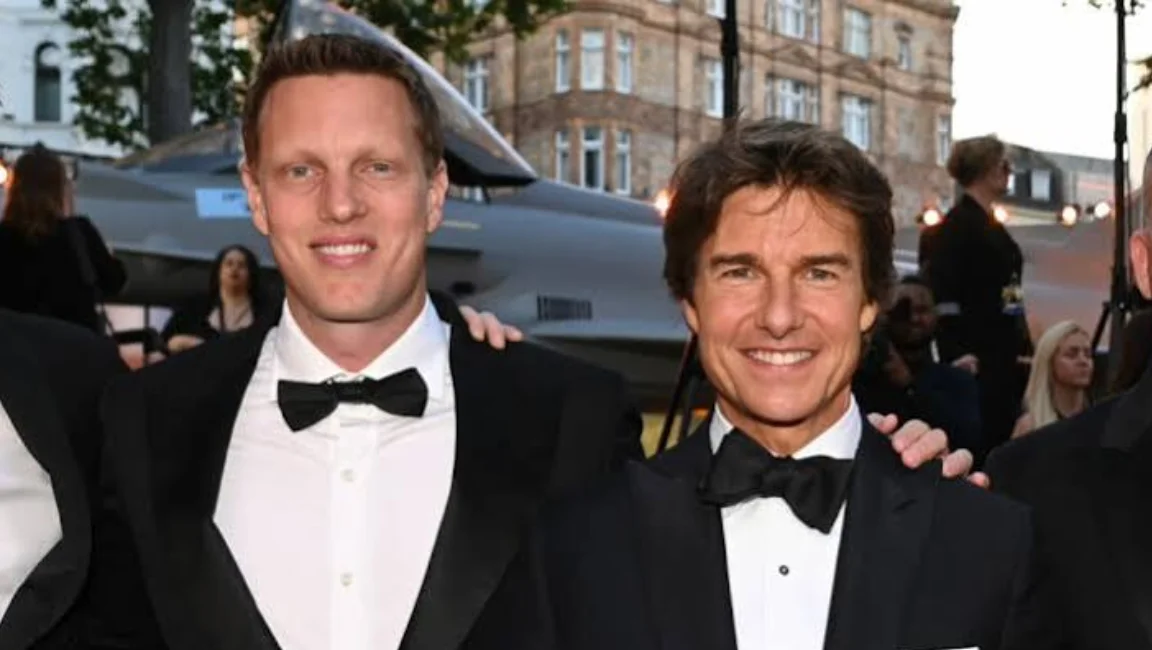
Hollywood icon Tom Cruise has stepped up to offer a resounding vote of confidence for the proposed mega merger between Paramount and Warner Bros. Discovery. Speaking live during an interview on The Pat McAfee Show, the veteran star addressed industry skepticism surrounding the high-profile deal and expressed complete trust in Skydance chief executive officer David Ellison.
Crucially, the actor backed one of the merger’s biggest promises to movie theater owners and exhibition chains. Cruise declared that he is completely certain Paramount-Warner Bros. will release 30 films a year once the combined company gets fully up and running.
Tom Cruise Views Studio Executives and Artists as Family
During the broadcast, Cruise reflected on his deep-rooted ties to the movie industry and explained why he feels passionate about maintaining a steady stream of theatrical projects. Paramount has served as the studio home for his largest blockbuster franchises, including Mission: Impossible and Top Gun.
Cruise emphasized that he does not look at film production purely through an administrative or financial lens. He views the entire process as a collaborative network of creatives.
“They are going to deliver 30 movies. It is a community to me. It is not an industry. The people in these studios are not just people in the studios; they are my family. I know we are going to get those 30 movies.”
The action star went on to share a broader vision for theatrical cinema, suggesting that an initial baseline of 30 annual releases could easily expand to 40 titles per year if audiences return to theaters in high numbers.
Creating Opportunities for Future Directors and Writers
Beyond supporting his current business partners, Tom Cruise framed the production push as an essential stepping stone for up-and-coming Hollywood talent.
He noted that legendary directors like Steven Spielberg, Christopher Nolan, and Alejandro Iñárritu all needed room to experiment early in their careers. According to Cruise, the only way young storytellers can hone their skills is through continuous production opportunities.
- Increasing output keeps theatrical distribution healthy and gives studios more chances to fund mid-budget original projects.
- Young directors, writers, and crew members receive critical hands-on experience on major studio sets.
- Ensuring a guaranteed 45-day theatrical release window before films transition to digital platforms protects the traditional movie theater experience.
Legal Challenges and Industry Debates Remain
While Cruise remains optimistic about the project output, the proposed merger faces significant pushback elsewhere in the entertainment landscape. A coalition of state attorneys general has filed antitrust challenges against the deal, and several labor unions alongside advocacy groups continue to raise concerns over potential consolidation.
Frequently Asked Questions
How many movies are Paramount and Warner Bros currently releasing every year?
Before the merger, the two studios combined released around 20 to 28 theatrical movies per year. Releasing 30 films annually represents a significant step up in overall production and distribution.
Who is the chief executive of Paramount Warner Bros?
David Ellison serves as the chief executive officer of the merged company. He previously founded Skydance Media before taking over leadership of Paramount.
How is Tom Cruise associated with Paramount Warner Bros?
Tom Cruise has a long-standing creative partnership with Paramount. The studio finances and distributes his major blockbuster franchises, including Top Gun and Mission: Impossible.
What are the famous movies released by Paramount and Warner Bros?
Famous Paramount releases include Top Gun, Mission: Impossible, and Titanic. Warner Bros is well known for Harry Potter, Batman, and The Lord of the Rings.
Who is likely to benefit from releasing 30 films a year?
Movie theater owners benefit from increased ticket sales, while emerging directors, writers, and crew members gain valuable hands-on experience on major studio projects.
Is 30 films a year really an achievable target?
Industry experts remain divided. While David Ellison and Tom Cruise insist the goal is achievable, legal challenges, budget management, and tight production schedules pose potential hurdles.
Tom Cruise remains dedicated to keeping cinema big, bold, and theatrical. His public endorsement reinforces his reputation as one of Hollywood’s fiercest defenders of the big screen experience.