“The Perfect Neighbor”: A Once-Quiet Suburb, A Deadly Lot Dispute
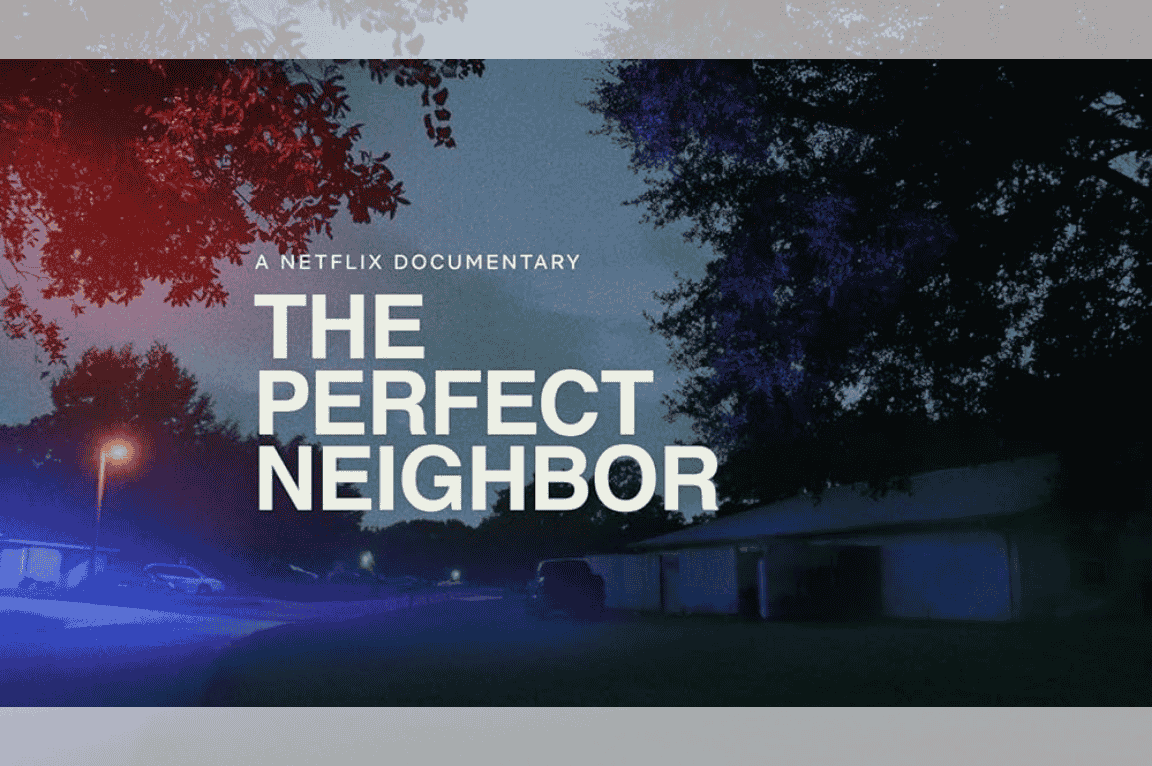
There’s a reason people use “nice neighborhood” as shorthand for safety. But the suburb featured in The Perfect Neighbor is anything but quiet. The new Netflix documentary peels back the veneer of calm in Ocala, Florida, and lets us witness how a property spat escalated into a fatal tragedy. Director Geeta Gandbhir stitches together police body cameras, 911 calls and neighborhood footage to reveal a chilling truth about fear, race and what happens when a “nice lady” sees “problems”.
At the center of it all is Ajike “AJ” Shantrell Owens, a Black mother of four whose life changed one summer day when her confrontation with her neighbor, Susan Lorincz, ended with a gunshot through a locked door. Owens went to speak to Lorincz about roller skates thrown at her kids — and soon found herself shot. Lorincz tried to invoke Florida’s controversial Stand Your Ground law but was later found guilty of manslaughter and sentenced to 25 years.
More Than a Crime Story: A Mirror for the Nation
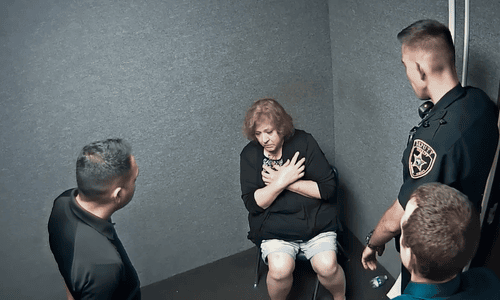
This isn’t just an isolated flashpoint; the doc digs into how prejudice, fear and power imbalances thaw into violence. One moment in the film lingers: a police officer asks a neighbor “Which one of the kids is yours?” and is told, “They’re all mine.” That line cracks open the idea of communal care vs. guarded suspicion.
Critics are calling The Perfect Neighbor one of the most urgent documentaries of the year, lauding its raw approach — no interviews, no narration; just footage that forces you to witness. Reviews describe watching it as “an anxiety-inducing, utterly heartbreaking” experience, but one that matters deeply.
Why You Should Watch It
- Real footage, real people: Unlike many true-crime shows, this one throws you into the body-cam chaos without filters.
- Law & legacy: It shines a spotlight on how self-defense laws collide with everyday life and race.
- Community vs. isolation: The film holds up a mirror to how neighborhoods behave under pressure — and what happens when one person’s voice isn’t heard.
Final Thoughts
Sometimes the most terrifying things happen when everyone else looks away. The Perfect Neighbor is a gut-punch of a documentary that reminds us the doorbell doesn’t always ring when danger shows up — sometimes it rings when someone is just trying to protect their kids.