Amazon Revives Theatrical Releases with Billion-Dollar Push
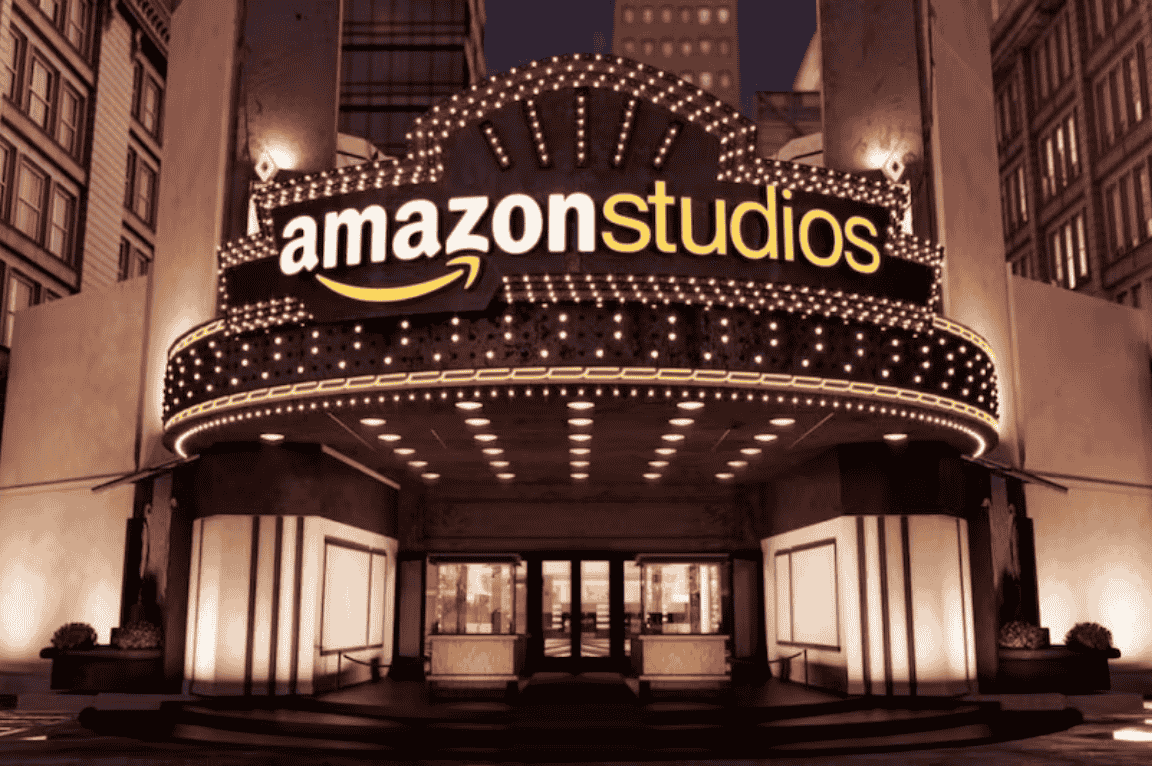
When Amazon promised to spend $1 billion a year on theatrical releases, few predicted just how serious they were. But by 2026, they’re slated to deliver on that promise—with 14 major theatrical films, followed by 16 more in 2027. In an industry where wide releases have been dwindling, Amazon’s theatrical revival couldn’t come at a better time.
Earlier this year, at CinemaCon in Las Vegas, Amazon made its theatrical ambitions crystal clear. With trailers and sneak peeks of upcoming titles like Project Hail Mary, After the Hunt, and Verity, the studio brought in major star power—Ryan Gosling, Julia Roberts, Chris Hemsworth, and more—to showcase what’s next for the big screen.
“For their first year out, they pulled out all the stops,” said Brock Bagby of B&B Theatres. And the numbers show this isn’t just talk. Amazon had only one wide release in 2023 and five in 2024—but that number will triple by 2026.
Why does this matter? Because the number of theatrical releases has been falling for years. Even before COVID-19 and the double Hollywood strikes, studios were shelving mid-budget films in favor of high-risk, high-reward franchise blockbusters. The result? Fewer movies in theaters—and fewer reasons for audiences to show up.
According to Comscore, that content gap has cost the domestic box office roughly $1 billion annually. The 2019 Disney-Fox merger alone eliminated up to 15 releases per year. By bringing back mid-range dramas, comedies, and romantic films—once staples of the theatrical experience—Amazon is filling a void left by these massive consolidations.
Paul Dergarabedian, a senior media analyst at Comscore, puts it simply: “Movie theaters need new films to draw customers.” Amazon is delivering just that—diverse, fresh content for all kinds of audiences.
And they’re not alone. Indie studios like A24 and Neon are also stepping up, helping the number of wide releases inch back up. In 2024, there were 94 theatrical releases; by 2025, that number is expected to reach at least 110.
Amazon’s strategy proves that Hollywood doesn’t just need superhero franchises to survive. It needs volume and variety, the kind that makes going to the movies exciting again.