Horror is arguably the most unforgiving genre in cinema. When it works, it creates legendary films that haunt audiences for decades — think The Shining, Get Out, or Hereditary. But when it fails, it fails spectacularly. Bad pacing, laughable effects, incoherent plots, and desperate sequelitis can turn a promising concept into something audiences actively mock. Over the decades, Hollywood has churned out a staggering number of horror films that didn’t just disappoint — they left viewers angrier than any jump scare ever could. Whether it was a studio squeezing a franchise dry, a director completely missing the point, or a star who should have known better, these are the worst horror movies ever made, backed by the numbers and the critics to prove it.
Quick-Glance: The Worst Horror Movies at a Glance
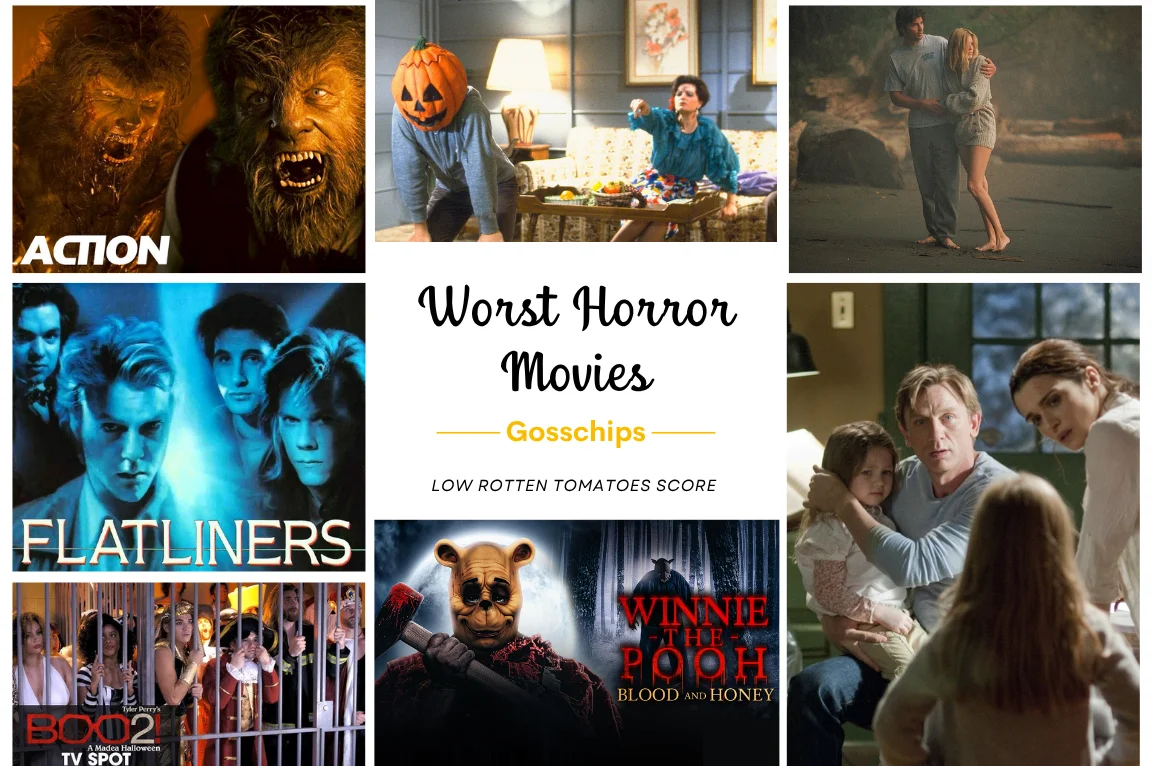
| Movie | Year | IMDb Rating | Rotten Tomatoes | Budget | Box Office | Why It Failed |
| Jaws: The Revenge | 1987 | 3.1/10 | 2% | $23M | $51.9M | Incoherent plot, fake shark, rushed production |
| Alone in the Dark (2005) | 2005 | 2.3/10 | 1% | $20M | $10.4M | Uwe Boll’s worst — enraged fans & critics alike |
| Exorcist II: The Heretic | 1977 | 3.6/10 | 15% | $14M | $30.7M | Destroyed a masterpiece with gibberish |
| Halloween III: Season of the Witch | 1982 | 4.7/10 | 34% | $2.5M | $14.4M | Ditched Michael Myers, confused everyone |
| The Fog (2005 Remake) | 2005 | 3.4/10 | 3% | $18M | $29.3M | Dull remake of a cult classic, zero tension |
| Boo 2! A Madea Halloween | 2017 | 4.0/10 | 22% | $25M | $35.5M | Painful comedy-horror mash that works as neither |
| Flatliners (2017) | 2017 | 5.0/10 | 4% | $19M | $16.9M | Pointless remake, wasted cast, no scares |
| The Wolfman (2010) | 2010 | 5.8/10 | 35% | $150M | $139.8M | Expensive monster misfire, troubled production |
| Dream House (2011) | 2011 | 5.5/10 | 6% | $50M | $38.5M | Trailer spoiled the movie; Daniel Craig miscast |
| Winnie-the-Pooh: Blood and Honey | 2023 | 2.9/10 | 4% | $1M | $5.2M | Cheap gimmick film with no craft whatsoever |
Movies That Truly Deserved That Rotten Score
1. Jaws: The Revenge (1987)
There is a difference between a bad sequel and a sequel so bad it kills an entire franchise. Jaws: The Revenge is the latter. The fourth and final film in the Jaws series, it followed widow Ellen Brody as she became convinced a great white shark was personally hunting her family — and decided to follow them to the Bahamas for revenge. Yes, a telepathic, revenge-driven shark with a grudge and GPS. Produced in under nine months to hit a summer release date, the film was plagued by mechanical shark failures, weather delays, and a script that critics described as a “first draft.”
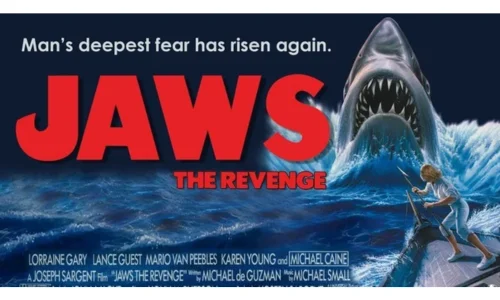
It holds a staggering 2% on Rotten Tomatoes and a 3.1/10 on IMDb. Despite starring Michael Caine — who famously admitted he took the role for the paycheck and never even watched the final film — the production had nothing going for it creatively. Critics hammered its logic-free plot, its rubbery fake shark (with visible structural seams), and its baffling ending where the shark inexplicably explodes. The movie barely broke even against its $23 million budget with $51.9 million worldwide — a fraction of what the original Jaws had earned. It is, by almost every metric, one of the worst horror movies ever committed to film.
2. Alone in the Dark (2005)
Director Uwe Boll has earned a reputation as the man who turns beloved video game franchises into cinematic disasters, but Alone in the Dark stands as perhaps his most condemned work. Based on the long-running survival horror game, the film starred Christian Slater and Tara Reid and managed to enrage both fans of the source material and general moviegoers simultaneously. Critics called it one of the worst films ever made — full stop, not just within horror.
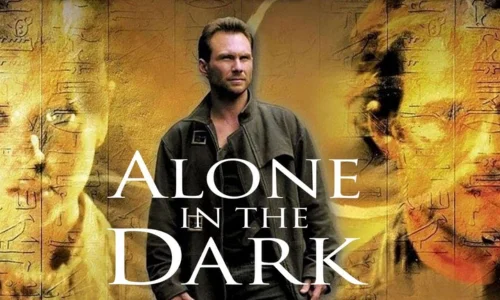
It earned a jaw-dropping 1% on Rotten Tomatoes and an IMDb rating of just 2.3 out of 10. On a $20 million budget, it managed to scrape together only $10.4 million at the box office, representing a catastrophic financial loss. The film is widely remembered for its nonsensical plot, incoherent editing, and the arguably career-damaging performance by Tara Reid. Boll himself was defiant about the criticism, which only added fuel to the fire. Shockingly, it did well enough on home video to justify a straight-to-video sequel in 2008 — a fact that still baffles horror fans.
3. Exorcist II: The Heretic (1977)
Few sequels have managed to tarnish a masterpiece as comprehensively as Exorcist II: The Heretic. William Friedkin’s 1973 original is considered one of the greatest horror films ever made. Its 1977 follow-up — directed by John Boorman and starring Linda Blair and Richard Burton — abandoned everything that made the first film terrifying and replaced it with pseudoscientific babble about African locusts, telepathy, and a plot so confusing that even the filmmakers struggled to explain it.
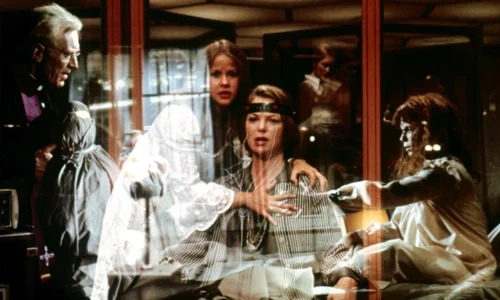
Critics were merciless. Many audience members who had lined up expecting a worthy successor left the cinemas confused and furious. Richard Burton reportedly hated the film himself. It holds a 15% on Rotten Tomatoes and a 3.6 on IMDb, and while it scraped $30.7 million on a $14 million budget, it was considered a commercial disappointment given the monstrous expectations. The most damning thing about Exorcist II is that it managed to make audiences not want any more Exorcist films — a remarkable achievement in the wrong direction.
4. Halloween III: Season of the Witch (1982)
The idea was actually ambitious — rather than follow Michael Myers indefinitely, producer John Carpenter envisioned Halloween as an anthology series with a fresh horror story every year. Season of the Witch was the first test of that concept, following a plot about evil Halloween masks that would kill children on command. The problem? Nobody told the audience. Moviegoers who had paid to see Michael Myers were confronted with Tom Atkins, Silver Shamrock jingles, and melting faces. The backlash was immediate and brutal.
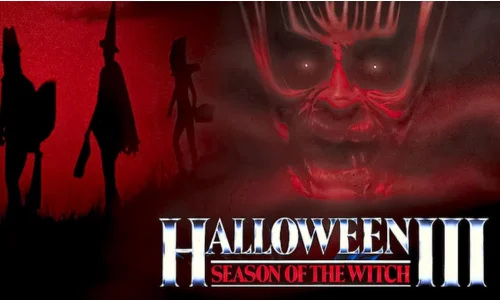
Critically, it sits around 47% on Rotten Tomatoes today, which is actually a minor reassessment — it was demolished upon release. It earned $14.4 million on a $2.5 million budget, which sounds profitable but was well below studio expectations and signaled to Carpenter that audiences would not accept a Myers-free Halloween. The franchise quickly pivoted back to the Shape in the very next installment. Season of the Witch has since gained a cult following, but its initial failure effectively killed Carpenter’s anthology vision and locked the franchise into a slasher rut for decades.
5. The Fog (2005)
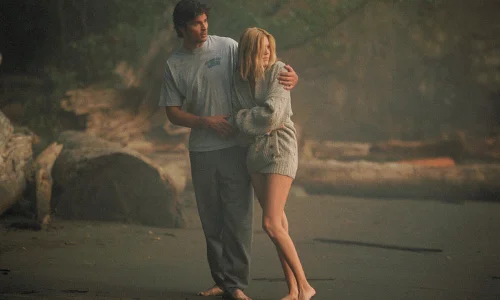
John Carpenter’s 1980 original The Fog was a modest, atmospheric ghost story that has endured as a cult classic. The 2005 remake, directed by Rupert Watt, took that premise and drained every last drop of atmosphere out of it. Starring Tom Welling and Maggie Grace, the film replaced Carpenter’s eerie restraint with aggressively bland jump scares and a love story nobody asked for.
Critics were nearly unanimous in their contempt — it sits at 4% on Rotten Tomatoes. On an $18 million budget it made $29.3 million worldwide, but the damage to the brand was total. Reviewers noted that the film seemed to actively avoid being scary, a remarkable flaw for a horror movie. The Rotten Tomatoes critics’ consensus placed it among the worst horror remakes ever produced, alongside other franchise-killers like the remakes of Flatliners and Jacob’s Ladder.
6. Boo 2! A Madea Halloween (2017)
Tyler Perry’s Madea films have always divided audiences, but transplanting the franchise into horror comedy territory was a miscalculation of almost scientific proportions. Boo 2! A Madea Halloween sends Madea and friends to a haunted campground and attempts to mine scares and laughs from increasingly desperate scenarios. It received three Razzie Award nominations — for Worst Actress, Worst Screen Combo, and Worst Prequel/Remake/Rip-off or Sequel.
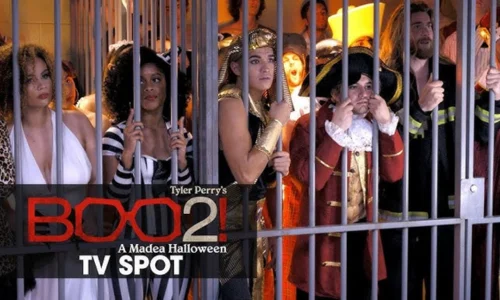
Critics awarded it a 22% on Rotten Tomatoes, though audience scores were marginally kinder given Madea’s devoted fanbase. On a $25 million budget it made $35.5 million, meaning it technically turned a profit — which is perhaps the scariest thing about it, since it green-lit further installments. Neither horror fans nor Madea fans got what they came for, and the film exists in an uncomfortable no-man’s land between genres.
7. Flatliners (2017)
The 1990 original Flatliners was hardly a masterwork, but it had a compelling central concept — medical students stopping their hearts to explore the afterlife — and genuine star power in Kiefer Sutherland and Julia Roberts. The 2017 remake, directed by Niels Arden Oplev and starring Ellen Page and Diego Luna, took the same concept and produced something so unremarkable that even Sutherland appeared in a baffling cameo that was never explained.
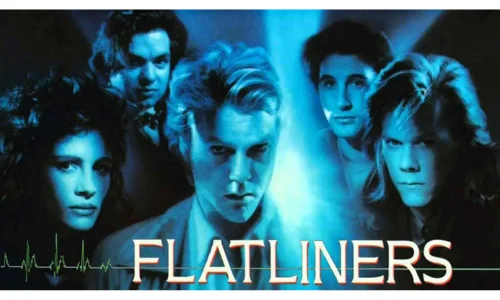
Critics were ruthless, awarding it a 4% on Rotten Tomatoes and 5.2 on IMDB. On a $19 million budget it made only $16.9 million worldwide, meaning it failed to even recoup its costs. The consensus was simple: there was no reason for this film to exist. No new ideas, no improved execution, no scares. It stands as a monument to Hollywood’s refusal to let an intellectual property rest, regardless of whether there is anything new to say with it.
8. The Wolfman (2010)
Everything about the 2010 Wolfman should have worked. It had a $150 million budget, Oscar-winning makeup effects by Rick Baker, and a cast of Benicio del Toro, Anthony Hopkins, Emily Blunt, and Hugo Weaving. What audiences got instead was a tonally confused monster movie that felt like it had been assembled by committee after extensive reshoots and production chaos. The film was delayed multiple times, went through two directors, and emerged looking like a film that wasn’t sure whether it wanted to be a gothic romance, a slasher, or a creature feature.
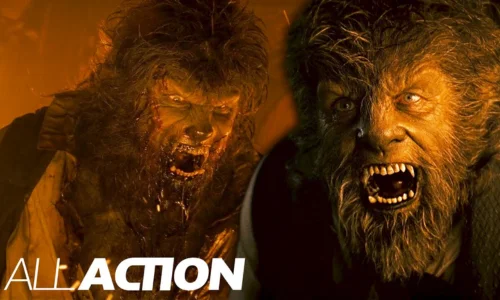
It earned 32% on Rotten Tomatoes and 5.8 on IMDB and made $139.8 million worldwide — falling well short of breaking even on its enormous production and marketing costs. Director Luca Guadagnino later called the box office performance a disaster. The failure effectively ended Universal’s early attempts at a “Dark Universe” connected monster franchise years before it officially imploded with 2017’s The Mummy.
9. Dream House (2011)
Dream House is one of the more unusual entries on this list because it was done in not just by a bad script, but by its own marketing department. The trailer fully revealed the film’s central twist — something the studio apparently didn’t coordinate with the filmmakers about, leading to director Jim Sheridan publicly disowning the film. Daniel Craig and Rachel Weisz (who fell in love during production and got married) starred in what should have been a suspenseful psychological horror film. Instead, audiences walked in already knowing the ending, and critics savaged what was left.
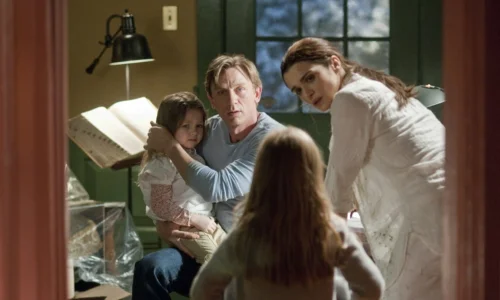
The film holds a 7% on Rotten Tomatoes and made $38.5 million on a $50 million budget. Sheridan’s disavowal is particularly notable: he claimed the studio took the edit away from him and released a version he did not consider his own work — a reminder that great talent can still produce awful results when the system breaks down.
10. Winnie-the-Pooh: Blood and Honey (2023)
There is something uniquely 2020s about Winnie-the-Pooh: Blood and Honey. It exists purely because A.A. Milne’s original Winnie-the-Pooh entered the public domain in 2022, and someone immediately decided the culturally correct response was to make a slasher film featuring Pooh and Piglet as murderers. The concept generated enormous social media buzz. The execution generated enormous disappointment. Shot on a reported $1 million budget, the film is visually cheap, narratively barren, and utterly devoid of either genuine scares or self-aware humor.
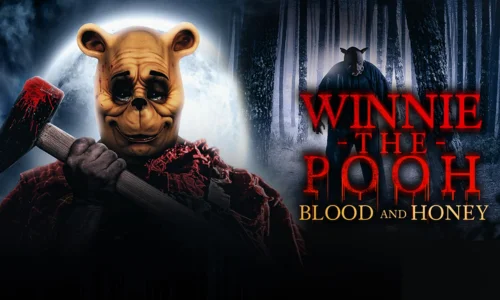
It earned a 3% on Rotten Tomatoes and a 2.9 on IMDb, making it one of the worst-reviewed horror films of recent years. It did manage $5.2 million at the box office — a return that made it technically profitable, which resulted in a sequel. Critics were near-unanimous: this is a film that sold a gimmick and delivered nothing beyond it. The concept was the marketing; the film itself was an afterthought.
Think we missed a horror flop that deserves its own autopsy? Drop it in the comments — there’s no shortage of candidates.