Tragic Hollywood Moments: Actors Who Died on Set
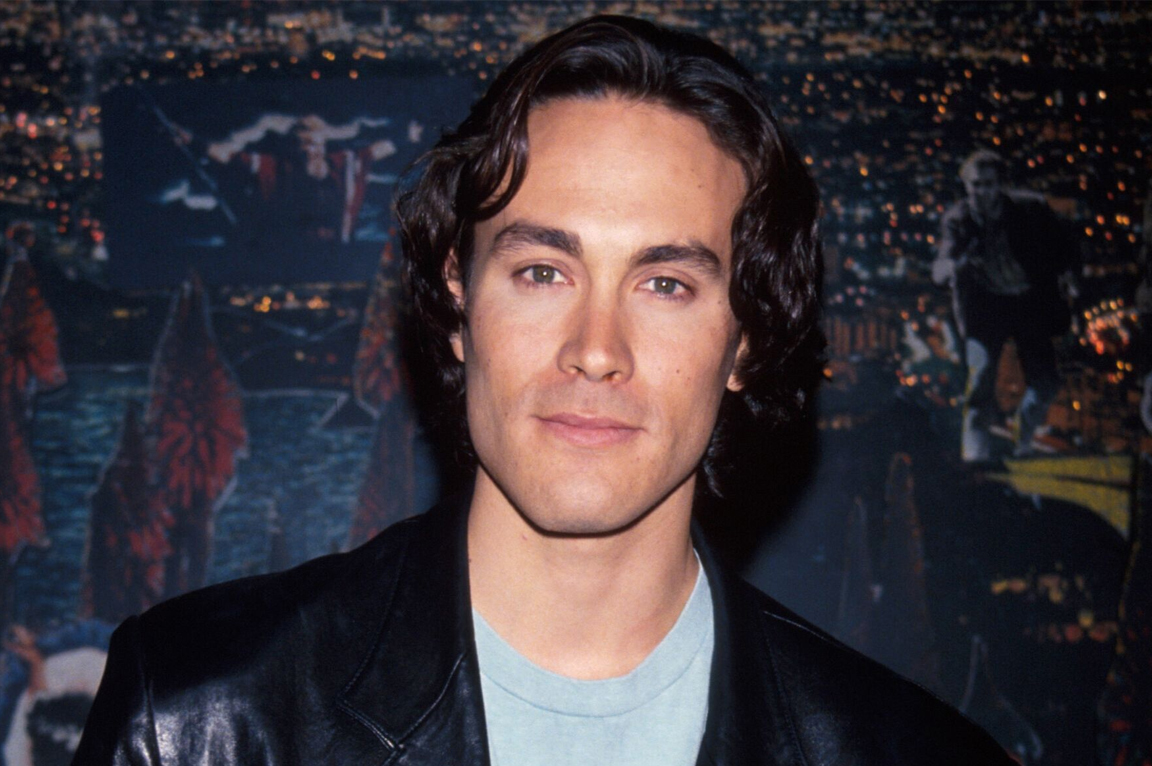
Filming a movie can be thrilling, but for some actors, the spotlight ended far too soon. Hollywood has had a handful of shocking on-set tragedies where stars lost their lives during production. From stunt accidents to unforeseen mishaps, these moments left casts, crews, and fans stunned, and sometimes even changed industry safety standards forever.
One of the most infamous examples is Brandon Lee, son of martial arts legend Bruce Lee, who tragically died after a prop gun accident on the set of The Crow. His untimely death in the middle of filming became a grim reminder of the dangers on set. A dummy bullet was lodged in the gun barrel from a previous scene, and when a blank was fired, it propelled the fragment into Brandon’s abdomen.
Similarly, Jon-Erik Hexum died in 1984 after a fatal incident involving a blank-loaded gun during a television shoot. Frustrated during a delay, he playfully put the gun to his temple and pulled the trigger, not realizing that blanks can be lethal at close range. The force fractured his skull, and he died six days later. These heartbreaking losses remind us how high the stakes can be when performing stunts or handling props.
Other Heartbreaking On-Set Fatalities
Vic Morrow (1982)
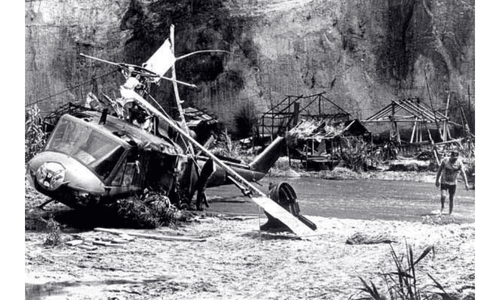
Killed during a helicopter accident while filming Twilight Zone: The Movie. The incident also claimed the lives of two child actors, Myca Dinh Le (age 7) and Renee Shin-Yi Chen (age 6). During a scene involving explosions and pyrotechnics, the helicopter spun out of control and crashed, with the rotor blades decapitating Morrow and one of the children while crushing the other. This horrific tragedy led to major reforms in child labor laws and on-set safety protocols. Director John Landis and four others faced manslaughter charges, though they were ultimately acquitted.
Sarah Jones (2014)
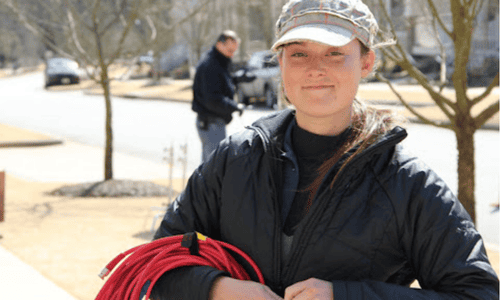
A 27-year-old camera assistant who lost her life in a tragic train accident during filming of Midnight Rider, a biopic about Gregg Allman. The crew was shooting on active railroad tracks in Georgia without permission when a freight train came through, striking Jones and injuring seven others. The crew had only 60 seconds to clear the tracks but couldn’t get everyone to safety in time. Her death sparked the creation of the Sarah Jones Safety Award and the “Safety for Sarah” movement, honoring those advocating for safer sets. Director Randall Miller pleaded guilty to involuntary manslaughter and served jail time. The hashtag #SlateforSarah became a rallying cry across the industry.
Ayrton Senna
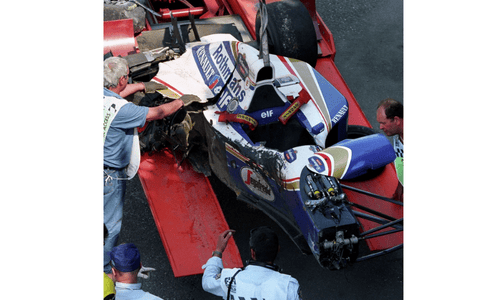
Though a race driver, also appeared in promotional shoots she died during a fatal crash while filming a commercial.
Halyna Hutchins (2021)
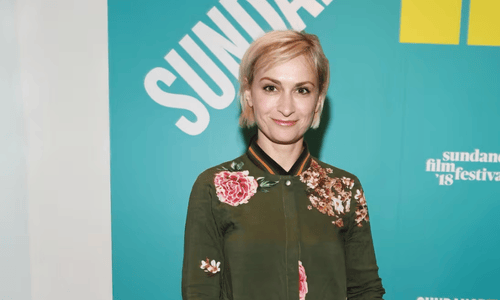
Cinematographer Halyna Hutchins, 42, was fatally shot on the set of Rust in New Mexico when actor Alec Baldwin discharged a prop gun that was loaded with live ammunition. The incident also injured director Joel Souza. Hutchins was standing behind the camera when Baldwin was rehearsing drawing the weapon. The gun went off, striking her in the chest. She was airlifted to a hospital but died from her injuries. The armorer, Hannah Gutierrez-Reed, was later convicted of involuntary manslaughter for her role in the tragedy. Hutchins’ death reignited intense debates about firearm safety on sets and led to renewed calls for banning real guns from film productions entirely. Her loss is deeply felt across the industry, and her family continues to seek justice.
Harry O’Connor (2002)
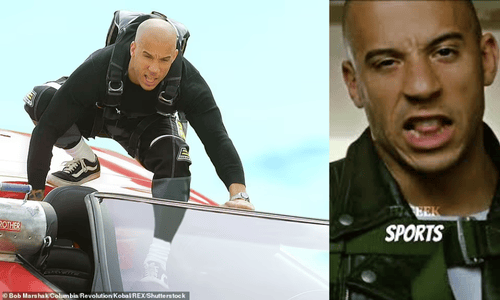
Stunt double Harry O’Connor died while filming XXX starring Vin Diesel in Prague. He was performing a parasailing stunt that required him to sail under a bridge on the Vltava River. He missed the intended point and struck the Palacký Bridge at high speed, dying instantly from the impact. Tragically, the filmmakers kept the footage in the movie (the shot before the fatal impact) and dedicated the film to his memory. The sequence shows his successful practice run.
Joi “SJ” Harris (2017)
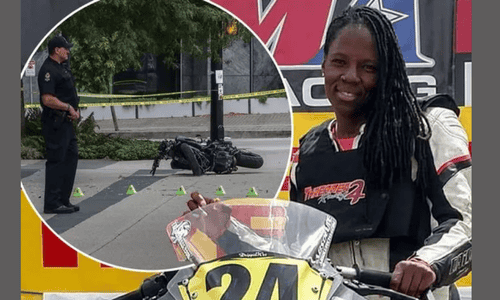
Stuntwoman Joi Harris, 40, died while filming Deadpool 2 in Vancouver when she lost control of a motorcycle during a stunt and crashed through a window of the Shaw Tower building. She was doubling for actress Zazie Beetz and performing the stunt for the first time on camera. Harris was the first African American woman to become a professional road racer, making her death particularly devastating to both the motorsports and film communities. She wasn’t wearing a helmet because the character wouldn’t have worn one—a decision that raised serious questions about when authenticity should be sacrificed for safety. Production was shut down immediately, and the cast and crew were traumatized.
Roy Kinnear (1988)
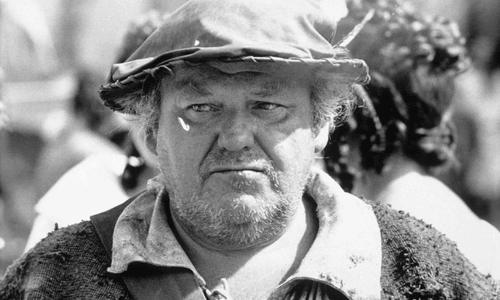
British character actor Roy Kinnear, 54, died during the filming of The Return of the Musketeers in Toledo, Spain. He fell from a horse during a scene and broke his pelvis. He was rushed to a hospital in Madrid, where he died the next day from a heart attack brought on by his injuries. Kinnear was an experienced actor but not a trained horseman. His death raised serious questions about stunt coordination and actor safety, especially for performers not trained in complex physical scenes. His widow later sued the production and won a settlement.
Sonja Davis (1996)
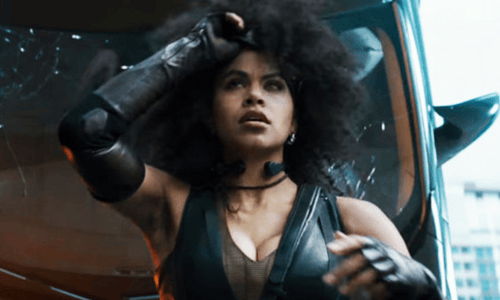
Stunt performer Sonja Davis died on the set of Vampire in Brooklyn when she fell 42 feet during a high fall stunt. The airbag that was supposed to cushion her landing was improperly positioned. She was the first stuntwoman to die on a film set in nearly a decade. Her death led to stricter regulations about stunt coordination and safety equipment positioning.
Conway Wickliffe (2008)
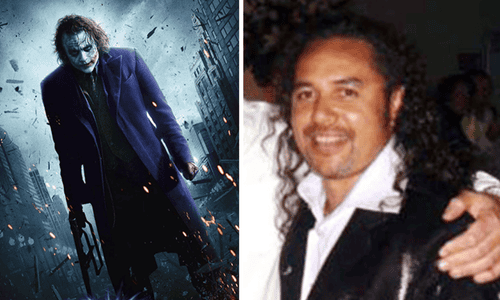
Veteran stuntman Conway Wickliffe, 46, died during the filming of The Dark Knight when the car he was in crashed into a tree during a test run for a chase sequence in Surrey, England. He was leaning out of the Batmobile with a camera when the vehicle lost control. The production was deeply affected by the loss, and the film was dedicated to both Wickliffe and Heath Ledger, who had died earlier that same year (though not on set).
Steve Irwin (2006)
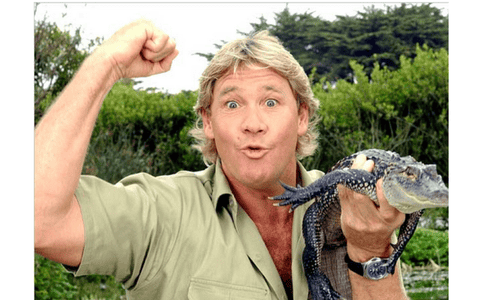
The beloved “Crocodile Hunter” Steve Irwin, 44, died while filming an underwater documentary called Ocean’s Deadliest at the Great Barrier Reef. A stingray’s barb pierced his chest, causing fatal injuries to his heart. While this was documentary filming rather than a narrative film, Irwin’s death shook the entire production world and reminded everyone that wildlife filmmaking carries its own unique dangers. His death was captured on camera, but the footage has never been released publicly out of respect for his family.
Olivia Jackson (2015) & Ricardo Cornelius (2015)
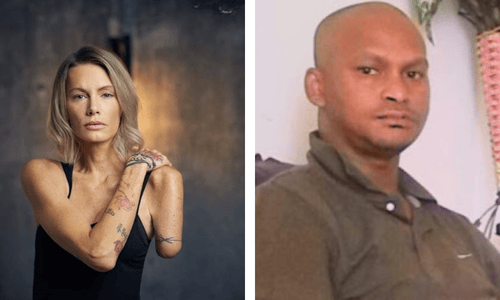
The production of Resident Evil: The Final Chapter became notorious for two separate tragedies. Stunt performer Olivia Jackson lost her arm and suffered life-altering injuries when she collided with a camera crane during a motorcycle stunt. In a separate incident, crew member Ricardo Cornelius, 35, was crushed to death by a Humvee that rolled off its platform. The production faced intense scrutiny for its safety practices.
John Jordan (1969)
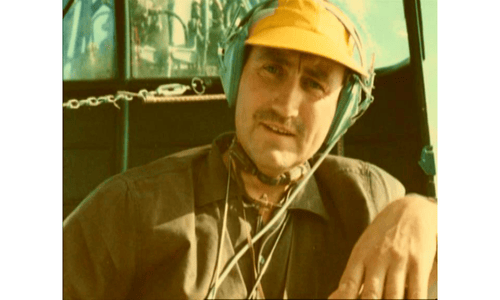
Aerial cameraman John Jordan died during the filming of Catch-22 in Mexico. He was attempting to capture aerial footage while hanging out of a B-25 bomber when his parachute accidentally deployed, pulling him out of the aircraft. He fell to his death—a tragic reminder of the risks camera operators take for the perfect shot.
Kun Liu (2002)
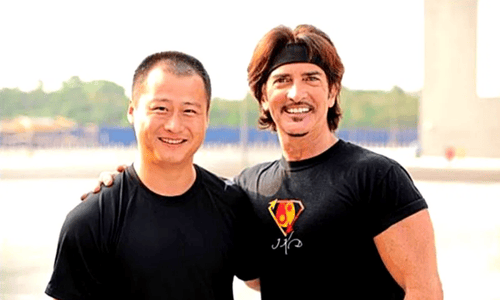
Stuntman Kun Liu died during the production of The Million Dollar Hotel in Los Angeles. He was performing a stunt when he fell several stories. The exact circumstances remain somewhat unclear, but his death added to growing concerns about stunt safety in Hollywood productions.
Bruce Lee (1973)
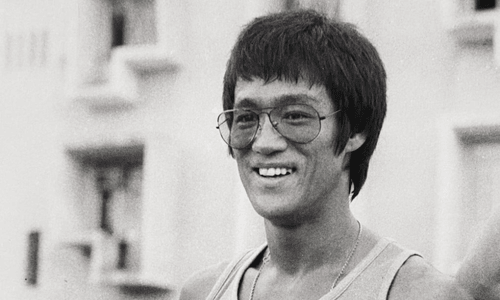
While Bruce Lee didn’t die “on set” in the traditional sense, he died during the production of Game of Death. On July 20, 1973, Lee died at the home of actress Betty Ting Pei after taking a painkiller for a headache. He suffered a cerebral edema (brain swelling) and never regained consciousness. The circumstances remain somewhat mysterious, with theories ranging from an allergic reaction to the medication to a rare condition called sudden death syndrome. His son Brandon’s later death on a film set created a haunting parallel that fans found deeply disturbing.
Paul Walker (2013)
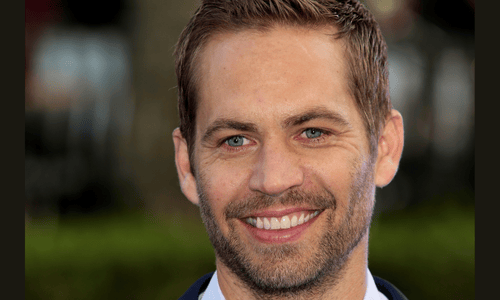
While not technically an on-set death, Paul Walker, 40, died in a car crash during a break in filming Fast & Furious 7. He was a passenger in a Porsche Carrera GT driven by his friend Roger Rodas when they crashed into a tree in Santa Clarita, California. The car burst into flames, killing both men instantly. His death occurred during the production period and devastated the cast, crew, and fans worldwide. The filmmakers used CGI and Walker’s brothers Caleb and Cody as stand-ins to complete the film, which ended with one of cinema’s most emotional tributes: “For Paul.”
Aaliyah (2001)

R&B star and rising actress Aaliyah, 22, died in a plane crash on August 25, 2001, after filming a music video for “Rock the Boat” in the Bahamas. The small aircraft was overloaded with equipment and passengers, and the pilot was later found to have cocaine and alcohol in his system. The plane crashed shortly after takeoff, killing Aaliyah and eight others. While not technically “on set,” her death was directly related to production work. Her loss devastated the entertainment world, and she’s remembered as one of the most promising talents of her generation.
Aamir Khan’s Body Double – Hari Singh (2013)
During the filming of the Bollywood blockbuster Dhoom 3, stuntman Hari Singh drowned while performing a water stunt in Mumbai’s Film City reservoir. The 32-year-old was doubling for actor Aamir Khan in an underwater sequence when something went wrong. His death highlighted that film safety issues aren’t limited to Hollywood—they’re a global concern affecting film industries worldwide.
José Antonio de la Loma Jr. (1989)
Spanish stuntman José Antonio de la Loma Jr. died on the set of a film production when a car stunt went horribly wrong and he was crushed by a vehicle. Details about the specific production remain limited, but his death added to the growing list of stunt-related fatalities that eventually pushed for better international regulations.
How Hollywood Has Changed (And Hasn’t)
Each tragedy sparked major industry-wide conversations about safety protocols, stunt regulations, and on-set oversight. After Vic Morrow’s death, child labor laws were tightened dramatically, and helicopter safety regulations became far more stringent. After Sarah Jones’ death, the “Safety for Sarah” movement pushed for safety hotlines and better accountability. Productions now must obtain proper permits, and anyone can call a safety hotline anonymously if they see dangerous conditions.
After Halyna Hutchins’ death, many productions banned real firearms entirely, opting for replica guns with muzzle flashes added in post-production. California even passed legislation requiring better firearm safety training for anyone handling weapons on set.
Despite these horrific incidents, the entertainment industry continues to honor these actors’ legacies, keeping their work alive on-screen while pushing for safer working conditions. But here’s the hard truth: accidents still happen. The pressure to get the shot, to stay on budget, to make deadlines—sometimes safety gets compromised, and the results can be fatal.
Productions have safety supervisors now, and actors can refuse dangerous stunts. But the culture of “the show must go on” persists. Some argue that more needs to be done, including mandatory safety training for all crew members and better enforcement of existing regulations.
Hollywood glamour sometimes hides the high risks behind the cameras. Remembering these stars not only honors their talent but also reminds us of the real dangers behind the magic of filmmaking.
Rest in peace to all the talented individuals who lost their lives in pursuit of their art. May their stories continue to push the industry toward better, safer practices.
Author’s Note
This post was originally published in early October 2024, and honestly, we weren’t prepared for the response. Our inbox got absolutely flooded—and we mean FLOODED—with emails from readers pointing out tragic incidents we missed. It was never intentional to leave anyone out; these stories deserve to be told and remembered. After hearing from so many of you, we knew we had to update this piece to honor more of these talented individuals who lost their lives doing what they loved. Is this list complete? Probably not—Hollywood’s history spans over a century. But we’re committed to getting this bottle at least more than half full. These weren’t just actors; they were sons, daughters, friends, and artists. Let’s remember them together. If you know of other on-set tragedies that should be remembered, please reach out to us at Gosschips. These stories matter, and these lives mattered.