October’s Box Office Collapse: What Went Wrong at the Movies
Imagine a popcorn-filled theater nearly empty at blockbuster time. That’s exactly the picture the film industry faced when October arrived—once a safe bet for spooky hits or awards bait, now a gutter of seats and missed expectations. Trade outlets reported it was “the worst October at the box office since the late 1990s.”
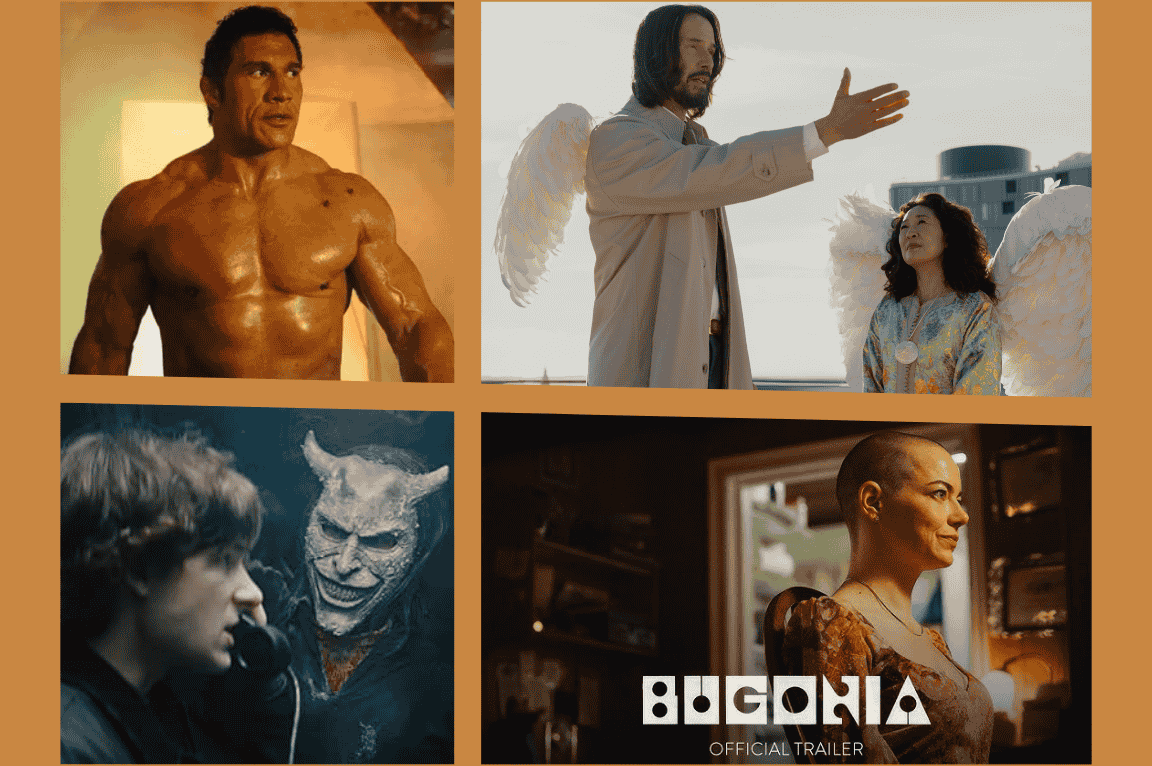
According to analyses, total U.S. ticket revenue hovered around $425 million for the month—shockingly low for such a key release window. Movies like The Smashing Machine, TRON: Ares, Soul on Fire, Roofman, Black Phone 2, Good Fortune, After the Hunt, Regretting You, Bugonia, and Good Boy were released. Studios and analysts alike started whispering the words no one wanted to hear: “Theatrical is broken.”
Four Big Reasons the Month Crashed
- Title drought + mis-timing — Big releases skipped October or misfired. Horror staples, long trusted in October, were thin on the ground.
2. Event fatigue — With endless streaming, viral drops, and TikTok hype, fewer people felt the urge to make a theater outing a “must.”
3. Price vs experience disconnect — The cost of going out, babysitter, and F&B at the theater stack up. Many opted for streaming instead.
4. Marketing noise and message mismatch — Some films simply didn’t create urgency. Analysts flagged weak word-of-mouth and unclear identity as killers.
What Does This Mean for Hollywood?
Studios love to call this a “bumpy month,” but when October—a traditionally strong slot—fails, alarms go off. If one of the strongest windows is collapsing, what does that say for the rest of the year?
For filmmakers and studios, the message is flashing red: a big budget or recognizable name no longer guarantees theater pull. The theatrical model needs more than name value—it needs event-level engagement.
The lights are dimming in many theater lobbies this month—but this crash isn’t just about one bad month. It’s a wake-up call for an industry built on habit. For the audience, the question isn’t “What movie should I go see?” but “Is going still worth it?”