

Hollywood rarely whispers when it can roar, and the latest industry flare-up proves it. The phrase “James Cameron Has It Wrong on Warner Movie Plans” has quickly become the talk of studio corridors after the legendary filmmaker’s pointed criticism triggered a swift and public rebuttal from Netflix.
According to reports from Bloomberg and CNBC, James Cameron raised concerns about how Warner Bros. Discovery is navigating its movie strategy amid shifting industry economics. Cameron’s comments, framed as a warning about consolidation and long-term creative impact, landed like a thunderclap in an already tense streaming landscape.
Netflix Fires Back Publicly

But Netflix leadership didn’t let the narrative sit idle. Executives pushed back hard, arguing that Cameron’s interpretation of Warner’s plans was inaccurate and risked spreading confusion about the competitive dynamics between studios and streamers. Coverage from Fox Business highlighted how the company framed the director’s claims as “misinformation,” signaling just how seriously they’re taking the public discourse.
Trade insiders cited by Deadline say the clash is less about one filmmaker’s opinion and more about the broader anxiety gripping Hollywood. Studios are juggling theatrical performance pressures, streaming profitability, and ever-rising production budgets. In that context, even a single high-profile critique can ripple across boardrooms and investor calls.
What This Means for Warner Bros. Discovery’s Future
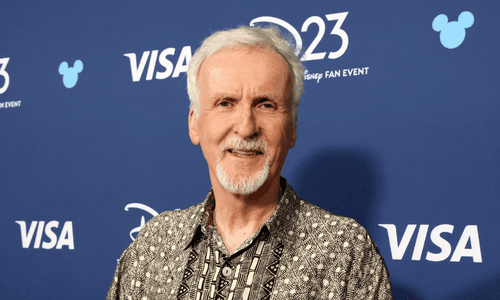
The subtext here is fascinating: Cameron, a filmmaker synonymous with billion-dollar spectacles, represents the traditional big-screen ethos, while Netflix embodies the algorithm-driven future. Their disagreement feels less like a feud and more like a philosophical standoff about how movies should live and breathe in the next decade.
For now, there’s no indication the spat will materially alter Warner’s roadmap, but it has undeniably amplified scrutiny around studio strategy. And in an industry fueled by perception as much as profit, that spotlight can be as powerful as any opening-weekend number.