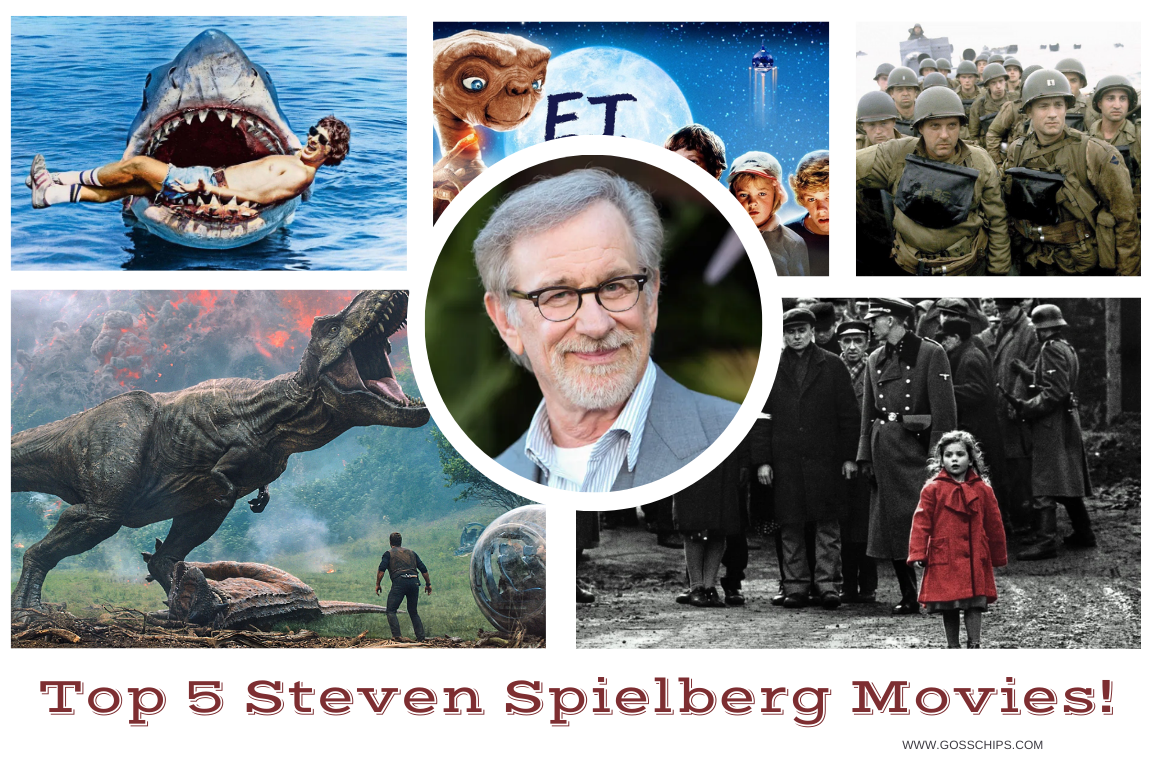
Steven Spielberg’s filmography feels like a constellation in the Hollywood sky, each star blazing in its own strange, unforgettable way. But every legend has a shortlist, a set of movies that tilted the world a little off its axis and taught audiences how big their imaginations could stretch. Below is a curated, power-packed list of five Steven Spielberg movies that didn’t just entertain us. They raised the bar, broke the box office, changed careers, and rewired the cultural brain.
1. Jaws
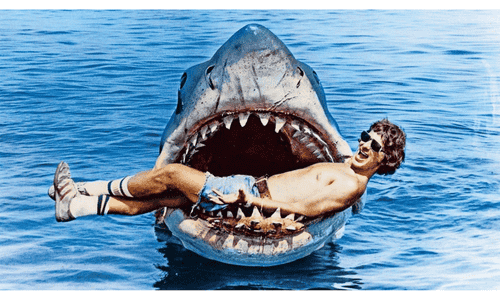
The summer blockbuster was practically invented by accident when Spielberg turned a malfunctioning mechanical shark into pure suspense magic. “Jaws” didn’t just scare people out of the ocean. It redefined what thrillers could be, blending fear, character tension, and big-screen scale like nothing before.
The ripple effect was enormous. Studios started reshaping their entire release calendars around this film because of this film. It devoured the global box office with over $470 million worldwide, an unheard-of figure for the 1970s.
The film cemented Roy Scheider, Robert Shaw, and Richard Dreyfuss as icons, but more importantly, it marked Spielberg as the guy who could turn nightmares into gold.
2. E.T. the Extra-Terrestrial
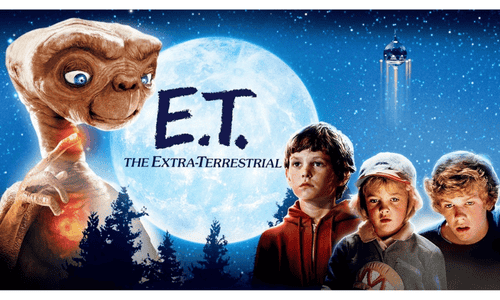
At its core, “E.T.” is a warm, glowing story about unlikely friendship. Spielberg wrapped sci-fi in the softness of childhood wonder, creating one of the most emotionally enduring films ever made. It shaped the “wholesome sci-fi” subgenre, influencing filmmakers from J.J. Abrams to the creators of “Stranger Things.”
It was the highest-grossing film of its time, earning nearly $800 million and turning movie theaters into emotional waterparks. “E.T.” launched Drew Barrymore’s career and showcased Henry Thomas as one of Hollywood’s most expressive child actors.
3. Jurassic Park
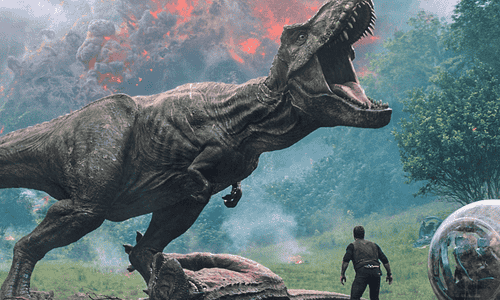
Spielberg resurrected dinosaurs with such shockingly lifelike detail that audiences genuinely believed science had gone too far. CGI and animatronics fused into something the world had never seen.
It rewrote the rules of visual effects, setting the stage for modern blockbusters. Every creature-driven film today owes something to “Jurassic Park.” The film roared past $1 billion across re-releases and became a global phenomenon that grew into a multibillion-dollar franchise.
Sam Neill, Laura Dern and Jeff Goldblum became pop culture legends. That injured-leg chaise pose from Goldblum still circulates the internet like a dinosaur meme fossil.
4. Schindler’s List
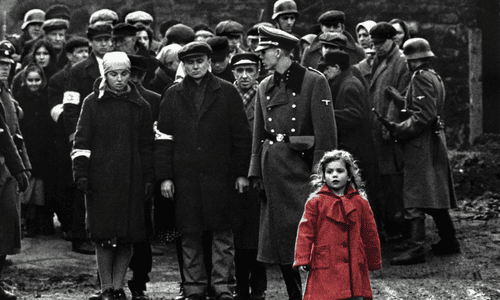
Spielberg created a film that is both haunting and humane. Shot in stark black-and-white, “Schindler’s List” is often described as the most emotionally powerful film of his career. It became essential viewing in schools, inspired museums and academic discourse, and proved that blockbuster directors could carry soul-shaking historical stories with surgical precision.
Despite being heavy and artistic, it earned an impressive $320+ million, showing that emotionally tough cinema can still reach the masses. The performance of Liam Neeson deepened his acting gravitas and put Ralph Fiennes at the center of Hollywood’s villain roster for years.
5. Saving Private Ryan

The opening D-Day sequence alone is studied in film schools across the world. Spielberg brought gritty, mud-splattered realism to war films like never before. Its cinematography style even influenced later video games and war documentaries. The shaky-camera combat aesthetic practically became a standard.
The film earned $480+ million globally and remains one of the most critically praised war movies in film history. Tom Hanks delivered a performance now etched into Hollywood memory, while young Matt Damon gained instant career momentum as the soldier everyone needed to save.
These Steven Spielberg Movies didn’t just fill seats. They shifted the cultural weather, bent the rules of filmmaking, and turned ordinary actors into everlasting screen legends. Five movies, five different worlds, and one director who somehow mastered them all.
So what’s next for the legend? Let’s take a look at the new movies from Steven Spielberg that are already creating buzz.
New Movie from Steven Spielberg: Disclosure Day Is Coming in 2026
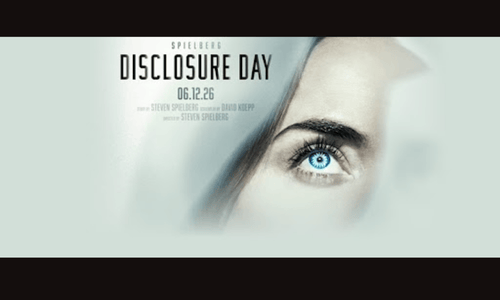
Steven Spielberg’s next film is Disclosure Day, an upcoming sci-fi thriller written by longtime collaborator David Koepp, based on an original story by Spielberg himself. The film marks Spielberg’s return to his extraterrestrial stomping ground — the same territory that gave the world Close Encounters of the Third Kind, E.T., and War of the Worlds.
Starring Emily Blunt, Josh O’Connor, Colin Firth, Eve Hewson, and Colman Domingo, the film follows the chilling question: “If you found out we weren’t alone, if someone showed you, proved it to you, would that frighten you?” In the trailer, O’Connor’s character gains access to long-held government secrets about extraterrestrial life and plans to go public as a whistleblower — while Firth’s character is determined to stop him at any cost.
Koepp has described the film as a unique blend of vast spectacle and deeply honest human emotion, calling it “a very emotional experience.” Adding another layer of magic, legendary composer John Williams — in his 30th collaboration with Spielberg — is scoring the film.
Disclosure Day is set to hit theaters and IMAX on June 12, 2026. If the past is any guide, this new movie from Steven Spielberg is shaping up to be one of the most anticipated cinematic events of the year.