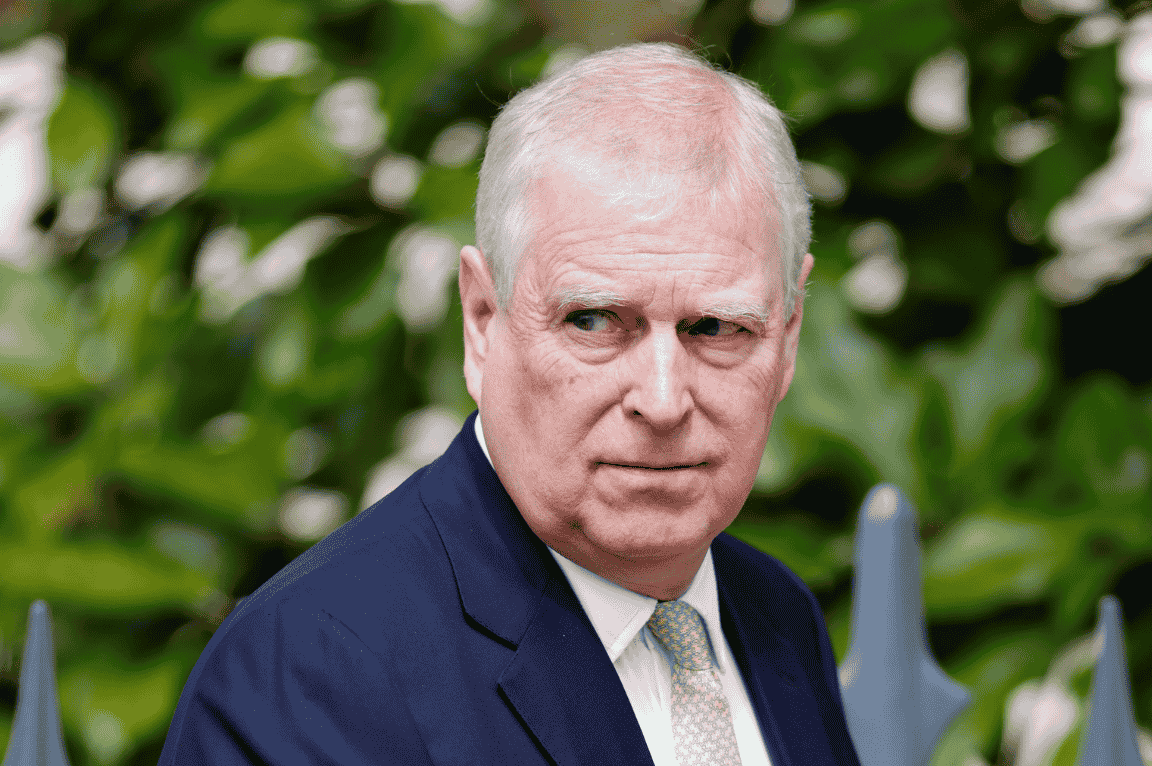
In an extraordinary move that reads like royal history in the making, Prince Andrew has officially announced he will no longer use his titles of Duke of York, Earl of Inverness, or Baron Killyleagh, including the honors that came with them. The decision, made “in discussion with the King and wider family,” is being framed as a step to protect the Crown from continued distraction.
Technically, those titles remain extant (they can’t be revoked without Parliament), but the public and ceremonial use is over. He’ll still remain “Prince Andrew,” but stripped of the dukedom and his honors — a symbolic but seismic shift for a royal once front and center.
Scandal, Pressure & the End of Royal Privilege
This isn’t just about a title disappearing — it’s about a legacy unraveling. Andrew’s ties to Jeffrey Epstein and recent revelations about his business partnerships have haunted him for years. The latest pressure appears to be the final straw in a long public slide.
He attempted to frame the move as putting “duty to my family and country first,” but critics see it as damage control after the Crown finally reached a tipping point. His daughters, Princess Beatrice and Princess Eugenie, are untouched by the decision — but his ex-wife, Sarah Ferguson, also loses use of the Duchess of York style.
What This Means for the Monarchy
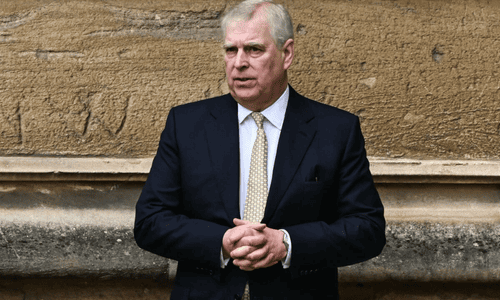
This moment marks one of the rarest shake-ups in modern royal history. Pulling back a senior royal from public and ceremonial life signals how high the stakes have become for King Charles and the institution. Andrew won’t attend next Christmas’s royal gathering, and his presence in royal life is all but erased.
For Andrew, the shift is both forced and irreversible — even if he technically still holds the titles. For the monarchy, it’s a purge, a distancing, a desperate attempt to close a chapter of controversy. And for the public? It’s a sobering reminder that royal status can’t shield one from reckoning.