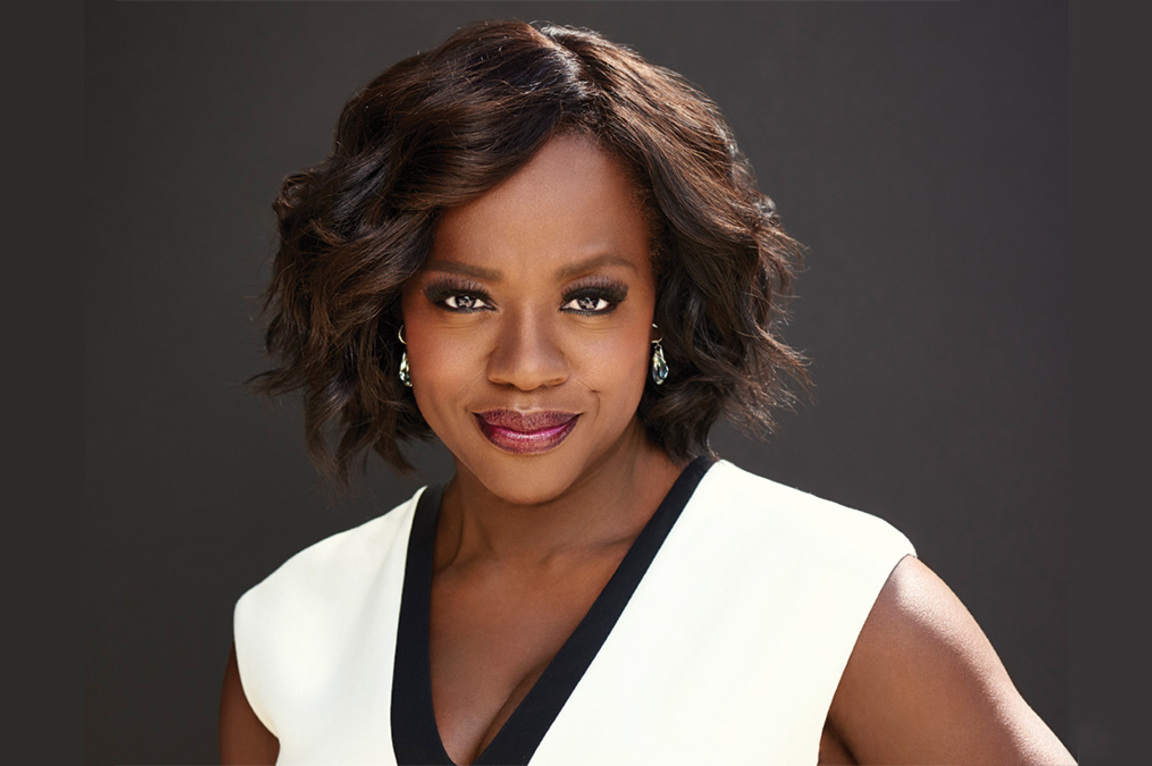
Long before Viola Davis became the face of authority, strength, and unforgettable monologues, she was a little girl trying to make sense of hunger, hardship, and a world that didn’t seem built for her. Today, she’s one of the most respected actors in Hollywood. But nothing about her story feels easy, polished, or pre-written. If anything, it feels earned—every role, every award, every moment of recognition.
And that’s exactly what makes her different.
A Beginning Hollywood Rarely Talks About
Viola Davis didn’t grow up around cameras or casting calls. She grew up in Central Falls, Rhode Island, in conditions that most Hollywood stories conveniently skip.
When Childhood Is About Survival, Not Dreams
Her early life was marked by extreme poverty. We’re talking about real struggle—food insecurity, difficult living conditions, and an environment where dreaming big wasn’t always practical.
But somewhere in that chaos, she found something steady: acting.
Not as an escape—but as a way to be seen.
Education That Changed Everything
Viola didn’t just rely on talent. She trained, studied, and committed to the craft in a way that set her apart early on. From Rhode Island College to Juilliard, she built her foundation brick by brick—long before Hollywood knew her name.
Breaking In—Slowly, Quietly, Relentlessly
Her early career was filled with small roles—brief appearances that showcased her talent but didn’t yet give her the platform she deserved.
The Moment People Couldn’t Ignore Her Anymore
Then came Doubt (2008).
Her screen time? Minimal.
Her impact? Massive.
In just one scene, Viola Davis delivered a performance so powerful it earned her an Academy Award nomination—and more importantly, the industry’s full attention.
It wasn’t just acting. It was presence.
From Supporting Roles to Owning the Spotlight
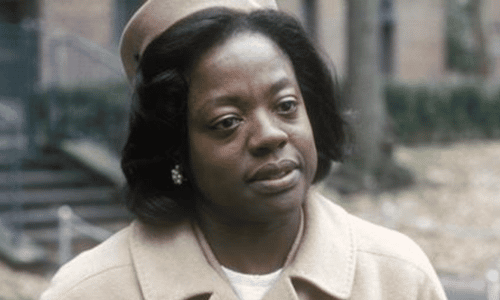
After Doubt, everything shifted—but not in the typical overnight-success way.
The Help and the Weight of Representation
The Help brought Viola Davis into mainstream success, but it also came with complicated conversations. While the film earned her widespread acclaim, Viola herself later reflected on the limitations of the narrative.
And that’s what sets her apart—she doesn’t just take roles. She questions them.
How to Get Away with Murder—and Total Domination

Then came Annalise Keating.
With How to Get Away with Murder, Viola Davis didn’t just play a character—she created a cultural moment. Complex, flawed, powerful, vulnerable—Annalise wasn’t written to be liked. She was written to be real.
And Viola made sure you felt every second of it.
Awards, History, and a Legacy That Changed the Game
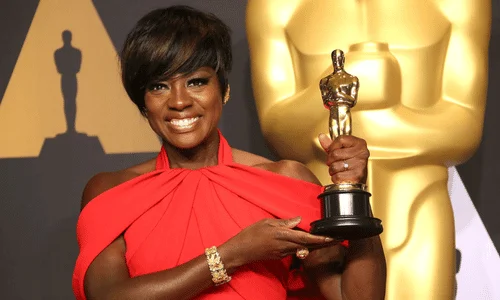
Viola Davis isn’t just an award-winning actor. She’s an EGOT contender and one of the few performers to achieve the “Triple Crown of Acting” (Oscar, Emmy, and Tony).
| Award | Project |
| Academy Award | Fences |
| Emmy Award | How to Get Away with Murder |
| Tony Awards | King Hedley II, Fences |
But beyond the trophies, her wins carry weight—they represent doors opening for others.
Love, Stability, and Life Beyond the Spotlight
A Marriage That Feels Grounded
Viola Davis’ relationship with Julius Tennon stands in contrast to the chaos often associated with Hollywood love stories. It’s steady, supportive, and refreshingly private.
Together, they’ve built not just a life—but a creative partnership.
Money, Power, and Owning Her Worth
Viola Davis’ net worth reflects more than success—it reflects longevity and respect.
| Aspect | Details |
| Estimated Net Worth | $25 million (approx.) |
| Income Sources | Films, TV, production, endorsements |
| Influence Style | Bold, purposeful, legacy-driven |
She’s no longer just part of the system—she’s shaping it.
What’s Next for Viola Davis?
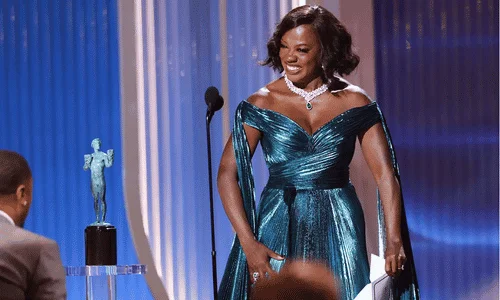
Choosing Roles That Mean Something
At this stage in her career, Viola Davis isn’t chasing visibility—she’s choosing impact.
From historical roles to powerful biographical performances, her recent and upcoming projects continue to reflect intention over trend.
Beyond Acting: Voice, Advocacy, Change
Off-screen, she’s just as powerful. From speaking openly about inequality to supporting causes tied to her own experiences, Viola uses her platform with purpose—not performance.
The Viola Davis Standard
Viola Davis didn’t just rise in Hollywood.
She changed what the climb looks like.
She made space where there wasn’t any. She brought truth into roles that could have been one-dimensional. She showed that power doesn’t always look polished—it can look raw, emotional, and deeply human.
And in doing that, she didn’t just build a career. She built a standard.